




What's Happening?
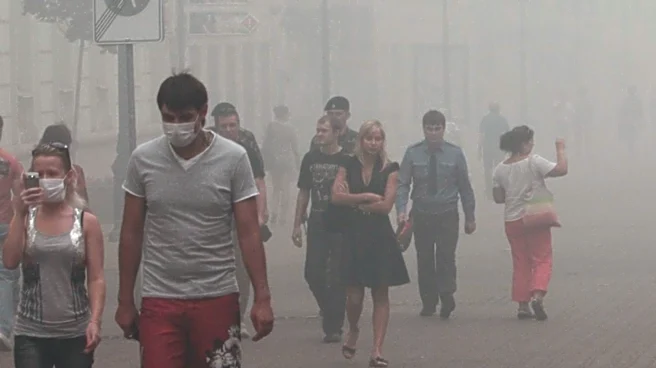
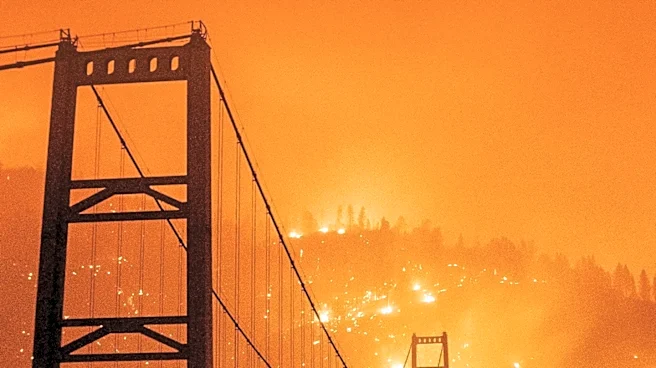
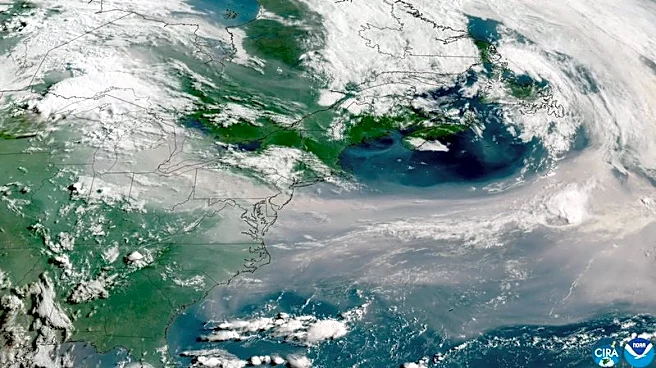
Air quality alerts have been issued across several U.S. states due to a combination of smoke from Canadian and regional wildfires and summer ozone pollution. The National Weather Service (NWS) has issued warnings for states including Michigan, Indiana,
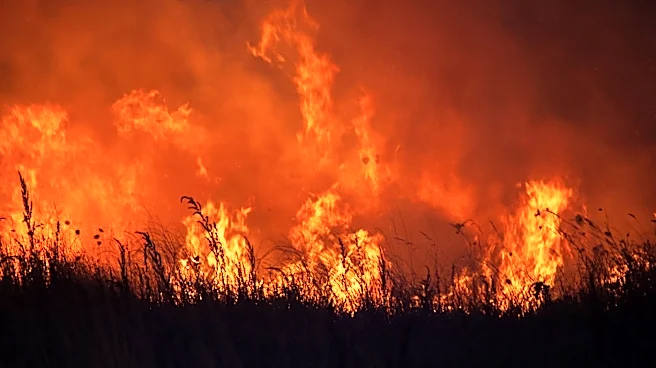
Illinois, Ohio, Pennsylvania, Colorado, Idaho, Washington, West Virginia, Minnesota, Iowa, Wisconsin, and Oregon. In Michigan, a statewide alert was issued for elevated levels of fine particulate pollution (PM2.5) from wildfire smoke, with levels expected to be 'Unhealthy for Sensitive Groups.' Similar conditions are reported in Minnesota, Iowa, and Wisconsin, with PM2.5 levels reaching 'Unhealthy' to 'Very Unhealthy' categories. The National Interagency Fire Center reports over 40,560 wildfires in the U.S. this year, burning more than 3.8 million acres. The combination of wildfire smoke and stagnant air exacerbates ground-level ozone pollution, posing health risks to millions.
Why It's Important?
The widespread air quality alerts highlight the growing impact of wildfires on public health and environmental conditions in the U.S. Wildfire smoke contains fine particulate matter (PM2.5) that can penetrate deep into the lungs and enter the bloodstream, posing significant health risks. Vulnerable groups, including children, the elderly, and those with pre-existing health conditions, are particularly at risk. The Environmental Protection Agency (EPA) notes an increase in large wildfires, contributing to higher PM2.5 levels across the country. This situation underscores the need for effective wildfire management and air quality monitoring to protect public health. The economic implications are also significant, with potential increases in healthcare costs and productivity losses due to health-related issues.
What's Next?
As wildfires continue to burn, air quality is expected to remain a concern in affected areas. Public health officials recommend monitoring air quality forecasts and limiting outdoor activities during high pollution periods. Long-term strategies may include enhancing wildfire prevention measures and improving air quality monitoring systems. Policymakers may also need to address the root causes of increased wildfire activity, such as climate change and land management practices.