
What's Happening?
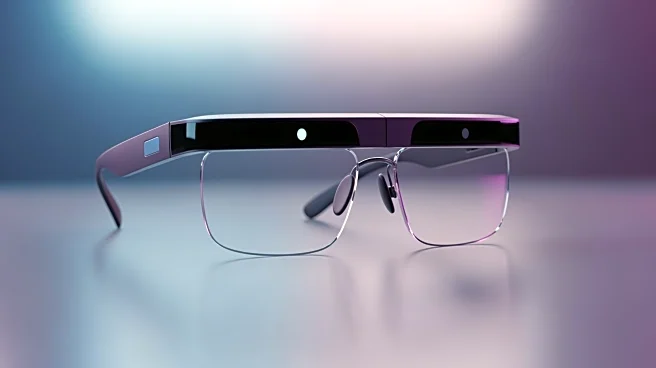
The year 2026 is poised to be transformative for augmented reality (AR) devices, with seven new products expected to change how consumers interact with screens. Companies like Snap, ASUS, and Google are
leading the charge with innovative AR glasses and headsets. Snap has spun off its Specs team into a separate subsidiary to attract investment and scale its consumer eyewear. ASUS showcased its gaming-focused ROG XREAL R1 at CES, promising low-latency visuals for gamers. Google is focusing on software-driven smart glasses that enhance functionality over style. These developments indicate a competitive landscape in AR technology, with companies vying to offer affordable and practical solutions.
Why It's Important?
The introduction of these AR devices represents a significant shift in consumer technology, potentially altering how people use screens for gaming, navigation, and communication. The competition among tech giants to develop user-friendly and cost-effective AR solutions could accelerate mainstream adoption. This shift may impact various industries, including gaming, entertainment, and communication, by providing new ways to engage with digital content. The focus on software and ecosystem development suggests that companies are prioritizing long-term platform value, which could lead to more integrated and seamless AR experiences.
What's Next?
As these AR devices enter the market, consumer interest and investment are expected to grow. Companies will likely continue to refine their products and expand their ecosystems to attract a broader audience. The success of these devices will depend on their ability to offer practical applications and integrate with existing technologies. Developers and content creators will play a crucial role in shaping the AR landscape by creating engaging and useful applications. The competition among tech companies may lead to further innovations and improvements in AR technology.
Beyond the Headlines
The rise of AR technology raises questions about privacy and data security, as these devices often rely on personal data to function effectively. Ethical considerations regarding the use of AR in everyday life, such as its impact on social interactions and mental health, are also important. As AR becomes more prevalent, there may be cultural shifts in how people perceive and interact with digital content. The potential for AR to enhance accessibility and provide new opportunities for education and training is another area worth exploring.