




What's Happening?
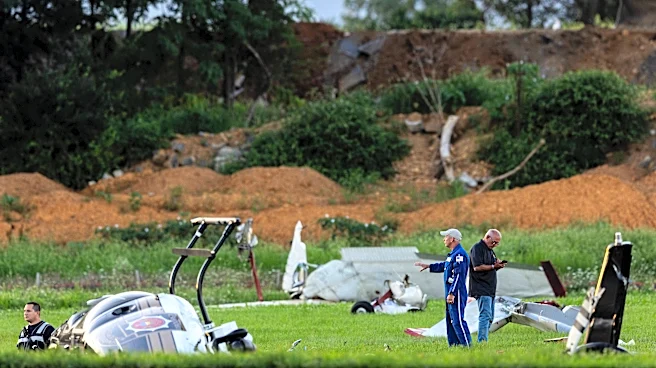
A fatal mid-air collision occurred at Carlisle Regional Airport in Central Pennsylvania, resulting in the death of 57-year-old pilot Paul Sokoloski of Hershey. The incident involved a Bell 407 helicopter belonging to the Pennsylvania State Police and
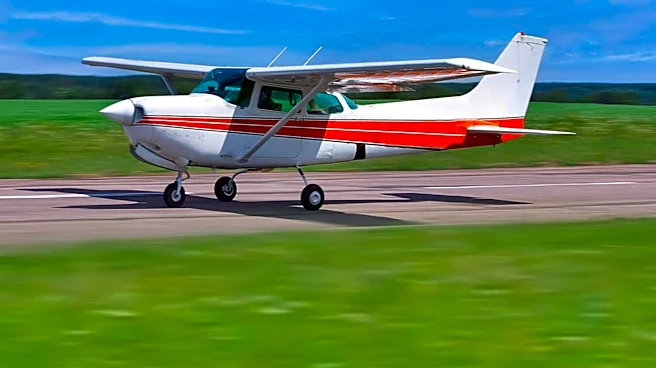
a Cessna 150 airplane. Two Pennsylvania State Troopers, Corporal Bryce Corman and Trooper Jason Mills, who were aboard the helicopter conducting routine training exercises, sustained minor injuries and are in stable condition. According to Pennsylvania State Police Acting Commissioner Col. George Bivens, the helicopter was hovering when the Cessna veered and struck its rear. The helicopter subsequently rolled and crashed, while the Cessna broke into multiple pieces. The Federal Aviation Administration (FAA) and the National Transportation Safety Board (NTSB) are investigating the cause of the collision.
Why It's Important?
This incident is a significant aviation safety event, particularly involving a state police helicopter and a civilian aircraft. The death of the civilian pilot and the injuries to the state troopers underscore the inherent risks in aviation, even during routine training. The investigation by the FAA and NTSB will be crucial in determining the exact cause, which could lead to important safety recommendations for airports without air traffic control towers, where pilots rely on shared radio frequencies for communication. The involvement of state police assets also highlights the dangers faced by law enforcement personnel in their duties. The findings of this investigation could influence aviation protocols, pilot training, and air traffic management procedures, potentially preventing similar tragedies in the future and enhancing overall air safety.
What's Next?
The FAA and NTSB will continue their comprehensive investigation into the mid-air collision. This will involve examining the wreckage, reviewing flight data, analyzing communications on the shared radio frequency used by pilots at the airport, and interviewing witnesses. An autopsy for Paul Sokoloski is scheduled for next week. The findings from these investigations will be critical in understanding the sequence of events and identifying any contributing factors, such as human error, mechanical failure, or air traffic communication issues. Based on their conclusions, the NTSB may issue safety recommendations aimed at improving aviation safety, particularly for general aviation and training operations at uncontrolled airports. The Pennsylvania State Police will also likely conduct an internal review of their training protocols following the incident.
Beyond the Headlines
This tragic accident brings to light the complexities and vulnerabilities of shared airspace, especially at airports without active air traffic control. The reliance on 'see and avoid' principles and self-coordination via radio at such facilities places a significant burden on pilots. The incident may spark a broader discussion about the need for enhanced safety measures, such as improved radar systems, mandatory transponder usage, or even the implementation of air traffic control services at busier uncontrolled airports. Furthermore, the event underscores the psychological impact of such incidents on first responders, aviation communities, and the families of those involved. It serves as a stark reminder of the constant vigilance required in aviation to mitigate risks and ensure the safety of all air travelers and personnel.