



What's Happening?
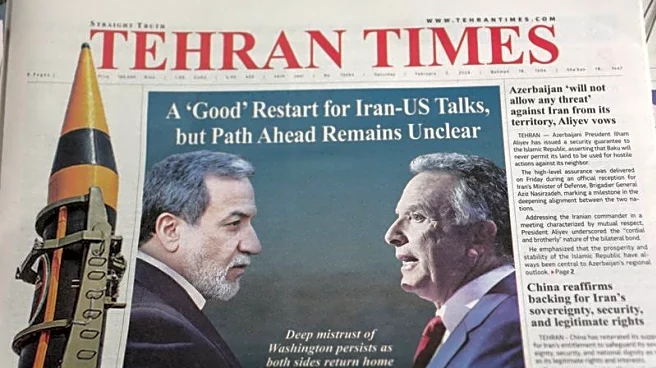
The United States and Iran are set to engage in a second round of nuclear talks in Geneva, focusing on Iran's nuclear program. This meeting follows a previous round held in Oman and occurs as the U.S. increases its military presence in the Middle East,
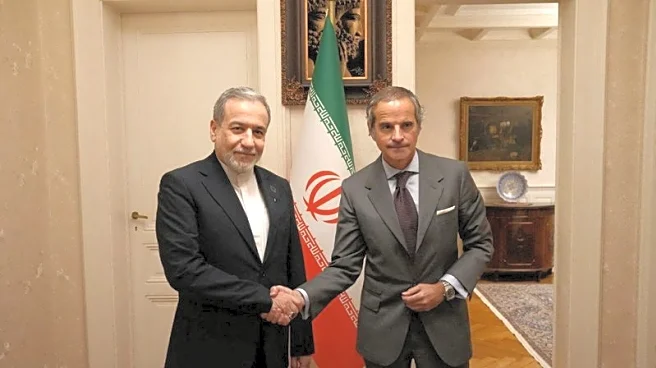
while Iran conducts large-scale maritime exercises. Iranian Foreign Minister Abbas Araghchi, leading the talks for Iran, met with Rafael Grossi, the Director General of the International Atomic Energy Agency (IAEA), to discuss the situation. Araghchi emphasized the need for a fair and equitable deal, rejecting any submission to threats. The talks are taking place against a backdrop of heightened regional tensions, with the U.S. deploying additional military assets to the region and Iran conducting naval drills in strategic waterways.
Why It's Important?
The outcome of these talks could significantly impact regional stability and international relations. A successful negotiation may lead to a reduction in tensions and a potential easing of sanctions on Iran, which has been a point of contention. The U.S. aims to limit Iran's nuclear capabilities to prevent the development of nuclear weapons, while Iran seeks relief from economic sanctions. The talks are crucial for maintaining peace in a region already affected by conflicts, such as the recent Israel-Hamas war. The involvement of major powers like the U.S. and Iran in these discussions highlights the global importance of the issue, with potential implications for international security and economic stability.
What's Next?
The next steps in the negotiations will likely involve further discussions on the specifics of Iran's nuclear program and the conditions for lifting sanctions. Both parties have expressed a willingness to reach a compromise, but significant challenges remain. The U.S. demands a halt to uranium enrichment, while Iran insists on the peaceful nature of its nuclear activities. The international community will be closely monitoring the talks, as any agreement could set a precedent for future diplomatic engagements in the region. Additionally, the potential for military escalation remains if the talks fail to produce a satisfactory outcome for both sides.