





What's Happening?
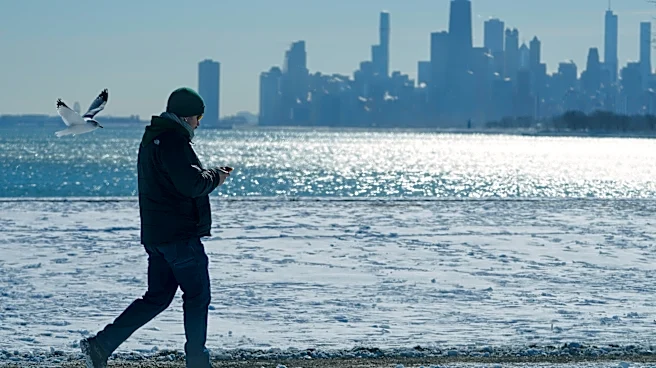
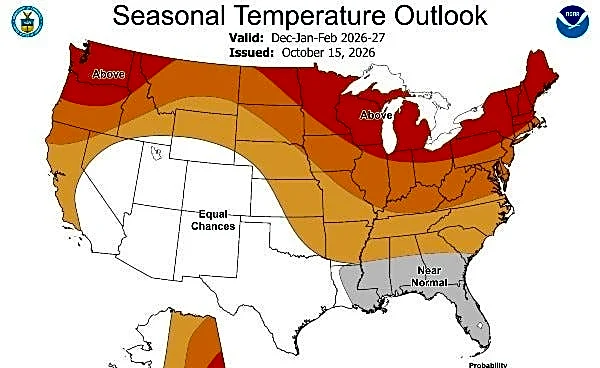
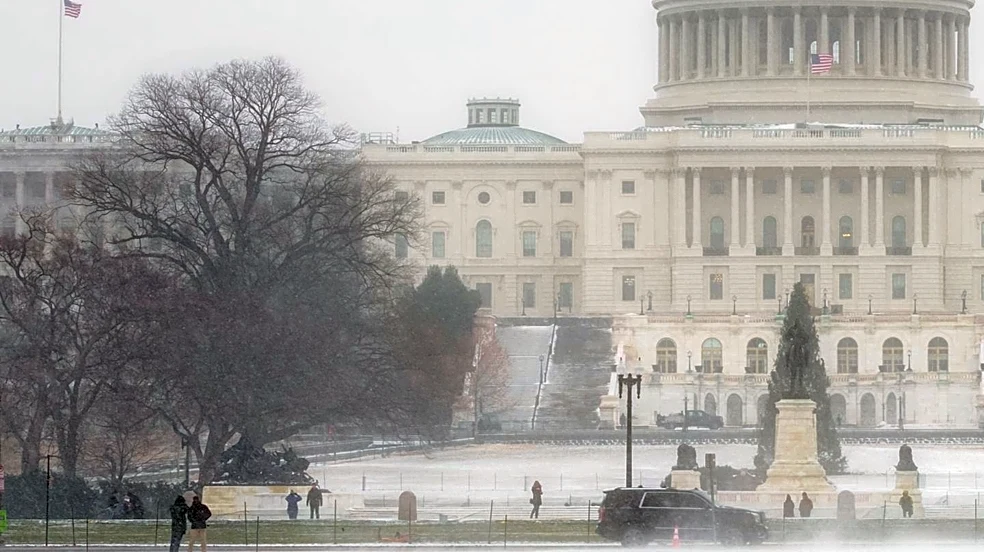
The United States is projected to experience a generally wetter and warmer winter, according to federal government seasonal outlooks and meteorologists' forecasts. This shift in weather patterns is largely attributed to El Niño, a natural warming phenomenon
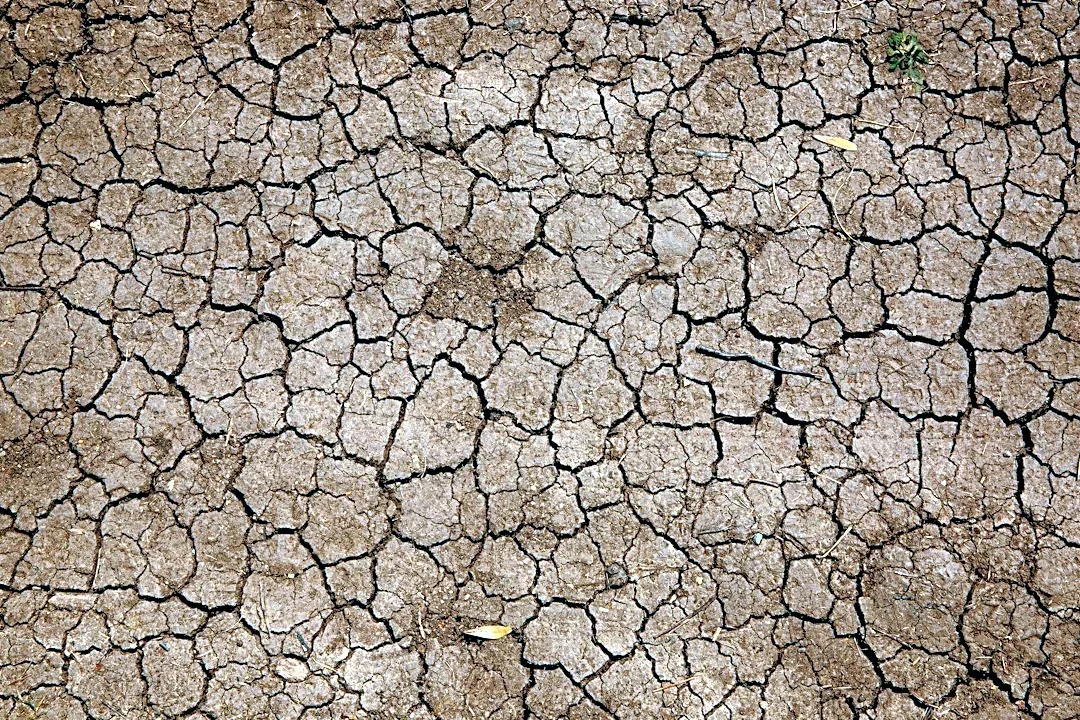
in the Pacific Ocean. While El Niño is expected to bring more moisture, it will also lead to higher temperatures, which could help alleviate persistent Western drought conditions. However, this means that many northern parts of the country, including the Northeast, Great Lakes, Upper Midwest, and Northern Rockies, should anticipate below-normal snowfall. Private meteorology firms, such as AccuWeather, corroborate these predictions, forecasting that major cities like Chicago, Boston, New York, and Philadelphia will receive significantly less snow than their historical averages. Salt Lake City is an exception, being the only large metropolitan area where above-normal winter snow amounts are expected. The National Weather Service indicates that a 'White Christmas' will likely be a rare occurrence for most, suggesting that a trip to the Southern Rockies might be necessary for those seeking snow during the holidays.
Why It's Important?
This winter forecast carries significant implications across various sectors in the U.S. Economically, industries reliant on winter tourism, such as ski resorts and related businesses in the northern states, could face substantial financial losses due to reduced snowfall. Conversely, regions experiencing increased rainfall, particularly the Southwest and parts of the West, may see relief from long-standing drought conditions, benefiting agriculture and water resources. However, this relief comes with potential downsides, as forecasters warn of an increased risk of high-impact atmospheric rivers in California, which could lead to extensive flooding and landslides. Furthermore, Florida and parts of the Southeast are advised to prepare for a higher incidence of tornadoes. The broader trend of a warming winter, which has seen U.S. winters warm by approximately 4 degrees Fahrenheit over the past 50 years due to human-caused climate change, underscores the ongoing environmental shifts and their impact on seasonal weather patterns, affecting infrastructure, emergency services, and public safety nationwide.
What's Next?
As the winter season approaches, individuals and communities across the U.S. will need to adapt to the predicted warmer and wetter conditions. For northern regions, the expectation of less snow may lead to adjustments in winter recreational activities and local business strategies. In contrast, western and southern states should prepare for potential increases in rainfall, which could necessitate enhanced flood control measures and emergency preparedness. The National Weather Service and private meteorological firms will continue to monitor El Niño's progression and its evolving impacts, providing updated forecasts. While a strong El Niño generally makes weather patterns more predictable, some experts, like MIT research scientist Judah Cohen, express caution due to the unprecedented nature of the current El Niño, suggesting that historical analogs may not fully capture its effects. This uncertainty highlights the need for ongoing vigilance and flexible response strategies from local and federal agencies, as well as businesses and residents, to mitigate potential risks and capitalize on any benefits.
Beyond the Headlines
The forecasted winter conditions extend beyond immediate weather impacts, touching upon deeper environmental and societal considerations. The consistent warming trend in U.S. winters, largely attributed to human-caused climate change, signals a long-term shift in seasonal norms. This trend could influence ecological systems, affecting plant and animal life cycles, and potentially altering agricultural growing seasons. The reduced snowpack in northern areas could also have long-term implications for water supplies in regions that rely on snowmelt for summer irrigation and drinking water. Furthermore, the increased frequency of extreme weather events, such as atmospheric rivers and tornadoes in unexpected areas, underscores the growing challenge of climate resilience and adaptation. The scientific community's cautious approach to forecasting an 'unprecedented' El Niño also highlights the complexities of climate modeling and the need for continuous research to understand and predict increasingly variable weather patterns. This situation prompts a broader societal discussion on sustainable practices, infrastructure development, and community preparedness in the face of a changing climate.