




What's Happening?
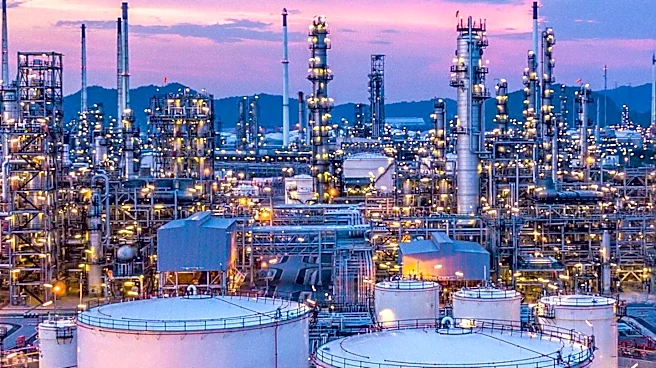
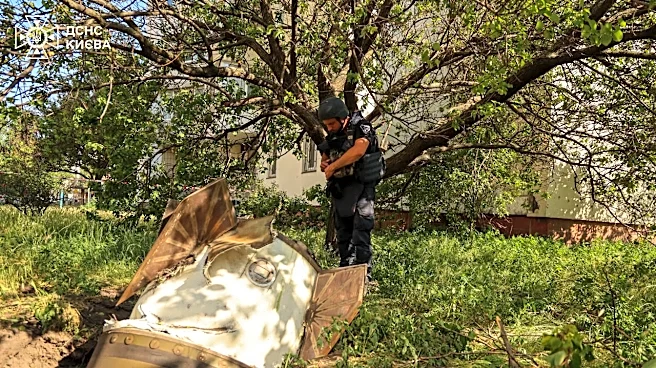
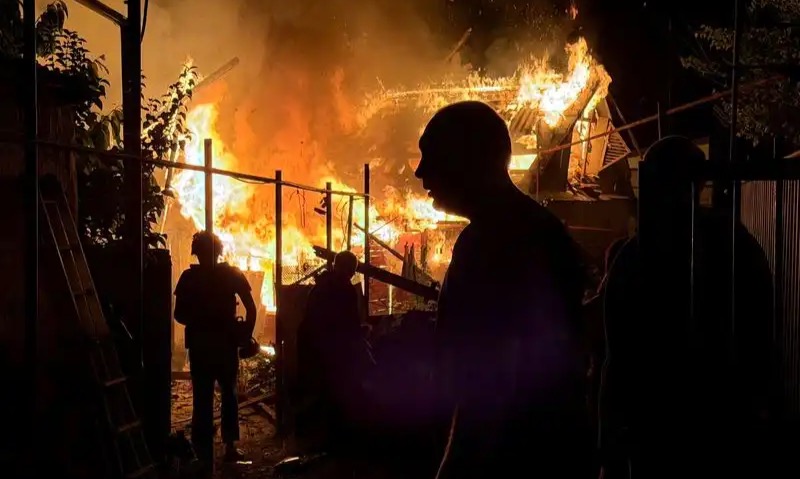
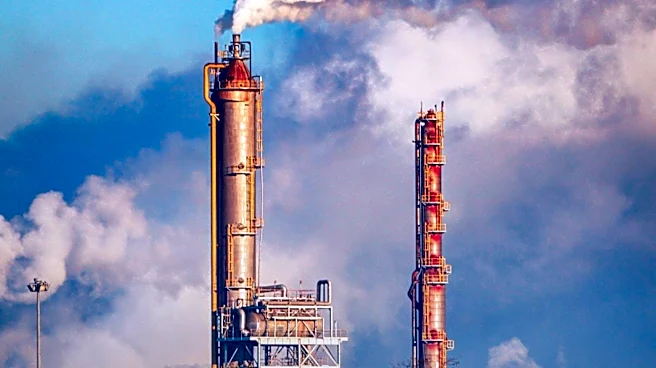
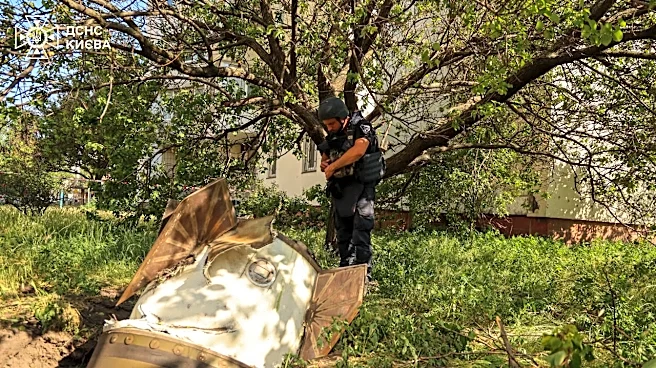
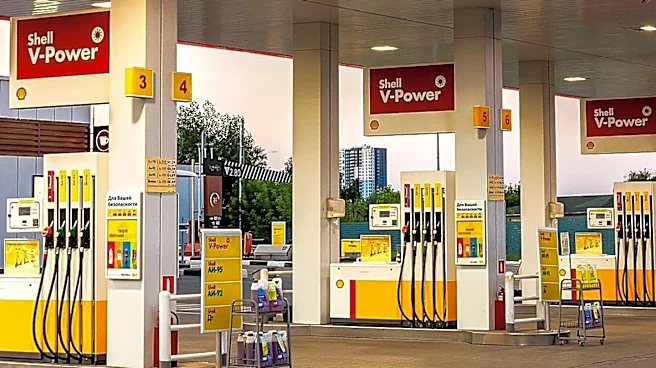
Russia is experiencing significant fuel shortages as Ukrainian drone attacks target refineries and oil infrastructure. The attacks are part of a broader strategy to disrupt Russia's war economy, with reports of long lines at gas stations in Moscow and other
regions. President Vladimir Putin has acknowledged the issue, revealing that national gasoline reserves are low and a ban on diesel exports is under consideration. The situation highlights the impact of the ongoing conflict on Russia's domestic stability and economic resilience.
Why It's Important?
The fuel shortages in Russia illustrate the tangible effects of the Ukraine conflict on Russian society and economy. The disruption of fuel supplies could have far-reaching consequences for transportation, agriculture, and industry, potentially leading to increased public dissatisfaction and economic strain. The situation also reflects the strategic use of drone technology in modern warfare, as Ukraine seeks to weaken Russia's logistical capabilities. This development may influence international perceptions of the conflict and impact diplomatic efforts.
What's Next?
Russia may implement measures to stabilize fuel supplies, such as increasing domestic production or imposing export restrictions. The government will likely continue to address the economic and political challenges posed by the conflict. Internationally, the situation may prompt further discussions on conflict resolution and the role of external actors in supporting Ukraine. The ongoing drone campaign could lead to escalated military responses from Russia.