






What's Happening?
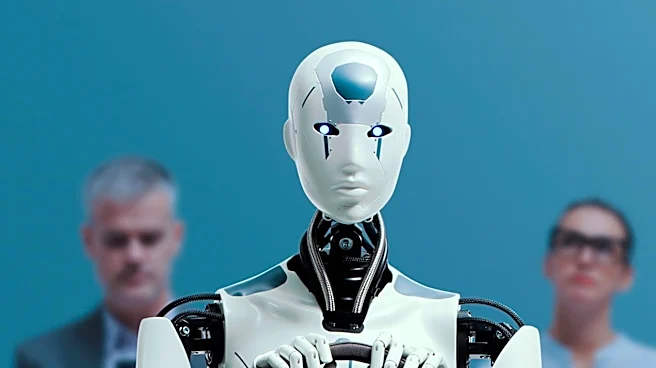
Anxiety surrounding Artificial Intelligence (AI) is primarily fueled by individuals' concerns about maintaining relevance and future employability in a rapidly evolving work landscape. According to NABS, themes on their Advice Line this year have included
anxiety related to career direction, relevance, and the impact of AI, alongside broader worries about redundancy and unemployment. Many individuals question if their existing expertise remains valuable or if they can adapt quickly enough to new technological demands. While AI offers potential for enhanced work efficiency and new opportunities, it simultaneously prompts significant questions about job security and the necessity for continuous skill development. The sentiment is not solely about AI itself but also about the wider implications of technological advancements on personal and professional lives. It is possible for people to find AI useful while still experiencing unease about its potential future impact.
Why It's Important?
This widespread AI anxiety is significant because it reflects a fundamental shift in the U.S. job market and workforce psychology. The concerns about job security and skill obsolescence can lead to increased stress, reduced productivity, and a potential reluctance to embrace new technologies among employees. For businesses, this means a need to invest more in retraining and upskilling programs to ensure their workforce remains competitive and adaptable. If not addressed, this anxiety could hinder technological adoption and innovation, as employees may resist changes they perceive as threats. Furthermore, it highlights a societal challenge in preparing the current and future workforce for an AI-driven economy, emphasizing the importance of education systems adapting to foster skills that complement AI, such as creativity, critical thinking, and emotional intelligence, which AI cannot replicate.
What's Next?
Addressing AI anxiety will likely involve a multi-faceted approach from employers, educational institutions, and individuals. Companies are expected to increase their focus on AI training and development programs, encouraging employees to experiment with new tools and understand how AI can augment their roles rather than replace them. Educational systems may need to further integrate AI literacy and future-proof skills into curricula to prepare students for the evolving job market. Individuals will need to proactively engage in continuous learning, identify their unique human skills that AI cannot replicate, and seek support networks to navigate these changes. Open dialogues about the ethical implications and societal impact of AI will also become more crucial to foster a balanced understanding and mitigate fear.
Beyond the Headlines
Beyond the immediate concerns of job displacement, AI anxiety touches upon deeper societal and psychological implications. It reflects a broader human struggle with rapid technological change and the inherent uncertainty of the future. The emphasis on 'staying relevant' suggests a potential shift in how individuals perceive their value in the workforce, moving from static expertise to dynamic adaptability. This could lead to a re-evaluation of career paths, the importance of lifelong learning, and the role of human-centric skills like empathy and judgment in a tech-dominated world. Ethically, it raises questions about corporate responsibility in managing technological transitions and ensuring a just transition for workers. Culturally, it may foster a greater appreciation for uniquely human attributes as technology handles more routine tasks, potentially redefining what it means to be 'skilled' or 'expert' in the coming decades.