





What's Happening?
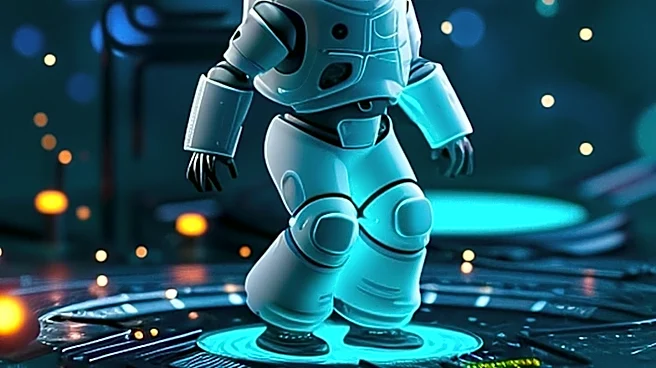
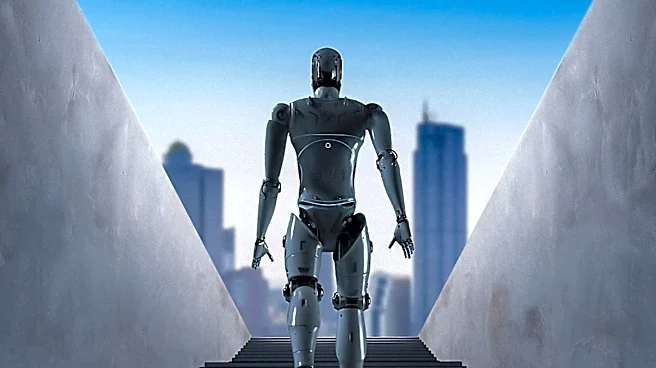
The development of humanoid robots, such as China's UBTech Robotics' Walker S2, is advancing the potential for autonomous machines to explore space. These robots are capable of changing their own batteries, allowing them to operate continuously without
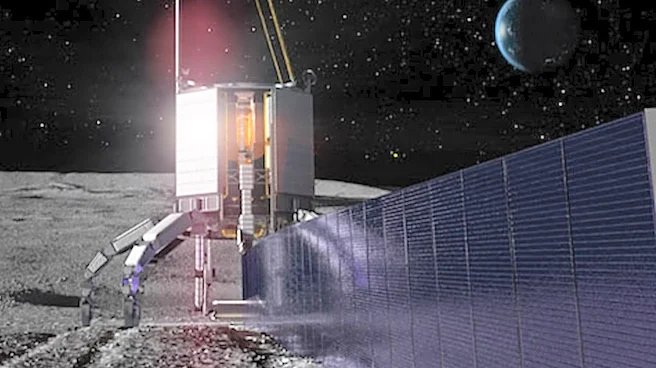
human intervention. This technological advancement raises questions about the future of human space exploration, particularly in challenging environments like Saturn's moon Titan. The Walker S2 represents a step towards fully autonomous space missions, potentially reducing the need for human astronauts in certain exploratory roles.
Why It's Important?
The use of humanoid robots in space exploration could revolutionize the way we explore distant celestial bodies. By deploying robots that can operate autonomously, space agencies can conduct missions in environments that are too hazardous for humans. This could lead to more frequent and cost-effective exploration of planets and moons, expanding our understanding of the solar system. The shift towards robotic exploration also highlights the growing role of artificial intelligence and robotics in scientific research and technological innovation.