





What's Happening?
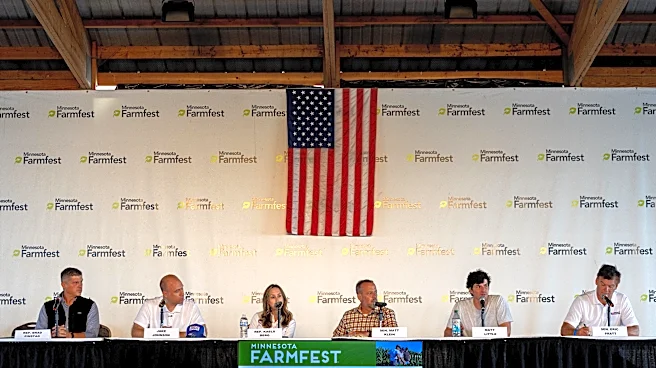
The 31st United Nations Climate Change Conference (COP31) will feature a panel discussion focused on reducing methane emissions from beef cattle while simultaneously advancing food security and supporting rural livelihoods. Co-hosted by the Clean Air
Task Force, Brazil’s Ministry of Agriculture and Livestock, Environmental Defense Fund, Climate and Clean Air Coalition, and Food and Land Use Coalition, the event will bring together government, research, industry, and civil society perspectives. The discussion will explore how science, supportive policies, collaboration, and corporate action can achieve these goals. The panel will draw on two global initiatives: the Resilient Agriculture Investment for Net Zero Land Degradation (RAIZ) and Integrating Agricultural Development and Methane Mitigation, both aimed at advancing agricultural productivity, climate mitigation, and sustainable land management.
Why It's Important?
Reducing methane emissions is identified as one of the most effective strategies to limit global warming and achieve the objectives of the Paris Agreement. For the U.S., a significant agricultural producer, this initiative is crucial as it aligns with national climate goals and food security priorities. The collaboration between international bodies, governments, and environmental organizations underscores a global commitment that could influence U.S. agricultural policies and practices. American farmers and ranchers, particularly those in the beef industry, stand to be significantly impacted by potential policy changes or technological advancements stemming from these discussions, which could introduce new regulations or incentives for sustainable practices. The focus on balancing climate mitigation with food security is vital for maintaining a stable and productive agricultural sector.
What's Next?
The COP31 panel is expected to foster coordinated actions and potentially lead to new international agreements or frameworks for methane reduction in agriculture. Following the conference, participating organizations and governments, including those with U.S. interests, may develop and implement specific programs or policies based on the insights and strategies discussed. This could involve increased funding for research into methane-reducing feed additives, improved livestock management practices, or incentives for farmers adopting sustainable land use. The outcomes could also influence consumer demand for sustainably produced beef, prompting changes in supply chains and market dynamics within the U.S. and globally.
Beyond the Headlines
Beyond the immediate policy implications, the focus on methane reduction in agriculture highlights a broader shift towards integrating environmental sustainability with economic viability in food production. This approach challenges traditional agricultural models and encourages innovation in areas like animal science, soil health, and precision agriculture. The discussions at COP31 could also elevate public awareness regarding the environmental footprint of food systems, potentially influencing dietary choices and consumer behavior in the long term. The emphasis on collaboration across diverse stakeholders—from scientists to policymakers to industry leaders—underscores the complex, interconnected nature of climate change and food security, requiring holistic solutions that transcend national borders and sectoral divides.