


What's Happening?
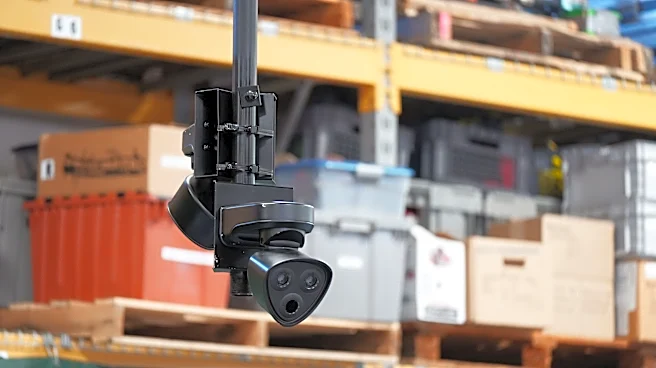
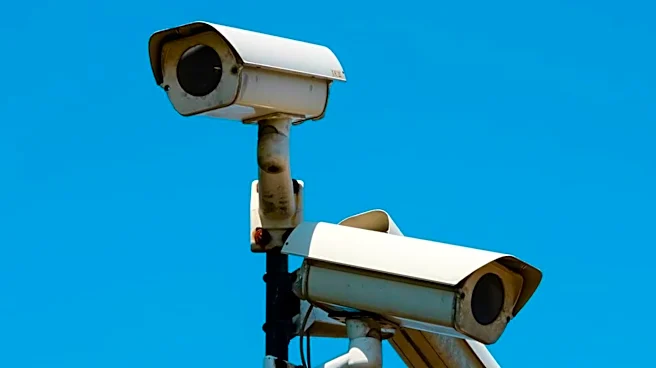
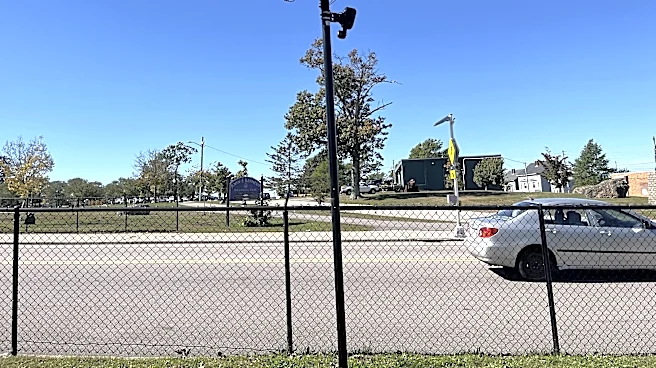
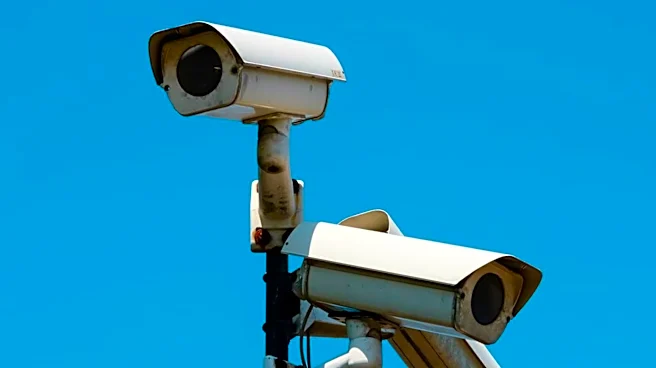
Utah Gov. Spencer Cox has voiced significant concerns regarding the use of Flock cameras, specifically calling for a comprehensive review to ensure the protection of privacy. The governor stated that Americans should be 'deeply concerned' about law enforcement
potentially misusing data collected by these cameras for personal reasons. In response, he has directed the Utah Privacy Governing Board and the Utah Privacy Commission to examine the state's existing rules and regulations pertaining to these devices. The review aims to ascertain that the cameras are not being abused, that the public is fully informed about their usage, and that accountability measures are in place for any instances of misuse. This directive comes amidst growing public debate over surveillance technology and individual privacy rights.
Why It's Important?
Governor Cox's call for a review of Flock cameras is significant because it highlights a growing tension between public safety and individual privacy in the digital age. As surveillance technologies become more prevalent, concerns about their potential for misuse and the erosion of civil liberties are increasing. This initiative signals that Utah's leadership is taking these privacy concerns seriously, potentially setting a precedent for other states grappling with similar issues. The outcome of this review could lead to stricter regulations on how law enforcement agencies deploy and utilize automated license plate readers and other surveillance tools, impacting both public safety operations and the privacy rights of citizens. It also underscores the importance of transparency and accountability in government use of technology.
What's Next?
The Utah Privacy Governing Board and the Utah Privacy Commission will now undertake a detailed review of the state's regulations concerning Flock cameras. This process will likely involve gathering input from law enforcement agencies, privacy advocates, and the public. The review may lead to recommendations for new legislation or amendments to existing policies to enhance privacy protections, clarify usage guidelines, and establish stronger oversight mechanisms. Potential outcomes include stricter data retention policies, limitations on data sharing with out-of-state agencies, and increased transparency requirements for camera deployment. Public forums or hearings might be held to ensure broad stakeholder participation in shaping future policies regarding surveillance technology in Utah.
Beyond the Headlines
The debate surrounding Flock cameras and Governor Cox's intervention touches upon fundamental questions about the balance between security and liberty in a technologically advanced society. Beyond the immediate policy implications, this situation highlights the ethical dilemmas posed by pervasive surveillance. It forces a societal conversation about what level of monitoring is acceptable for public safety versus what constitutes an infringement on personal freedom. The long-term implications could include a redefinition of privacy expectations in public spaces and the establishment of new legal frameworks to govern data collection and usage by both public and private entities. This review could also influence the development of future surveillance technologies, pushing for built-in privacy safeguards from the design phase. The outcome in Utah may serve as a case study for how states navigate the complex interplay of technology, governance, and civil rights.