


What's Happening?
Senate Democrats, led by Lisa Blunt Rochester, Mazie Hirono, and Adam Schiff, have introduced the Workforce of the Future Act to address the impact of artificial intelligence on the U.S. labor market. The legislation mandates a federal review of AI's
effects on employment, focusing on identifying vulnerable industries and necessary worker skills. The bill proposes a comprehensive study by the Departments of Labor, Commerce, and Education to assess AI's economic impact and recommend strategies for workforce adaptation. It also includes funding provisions for education and training programs to support workers in transitioning to new roles.
Why It's Important?
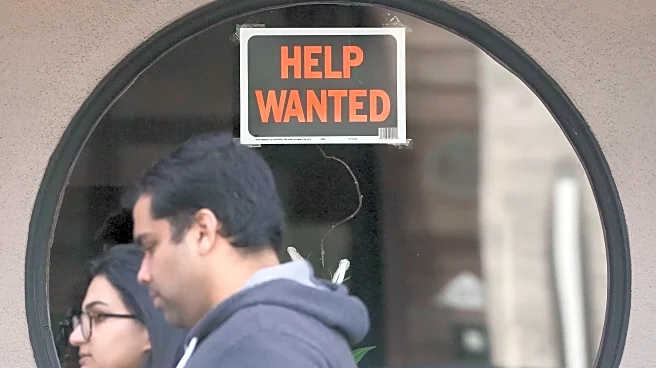
The introduction of this legislation highlights growing concerns about AI's potential to disrupt traditional employment sectors. As AI technologies advance, there is an increasing risk of job displacement, particularly in industries reliant on routine tasks. The proposed bill aims to proactively address these challenges by equipping workers with the skills needed to thrive in an AI-driven economy. By fostering collaboration between government agencies and educational institutions, the legislation seeks to ensure that the workforce remains competitive and resilient. This initiative reflects a broader effort to balance technological innovation with social and economic stability.
What's Next?
If enacted, the Workforce of the Future Act will require the involved agencies to deliver a comprehensive report to Congress within a year, detailing AI's impact on various demographic groups and recommending educational strategies. The bill's progress will be closely monitored by both industry stakeholders and labor groups, as it represents a significant step towards addressing the workforce challenges posed by AI. The outcome of this legislative effort could influence future policy decisions and set a precedent for how the U.S. navigates the intersection of technology and employment.