






What's Happening?
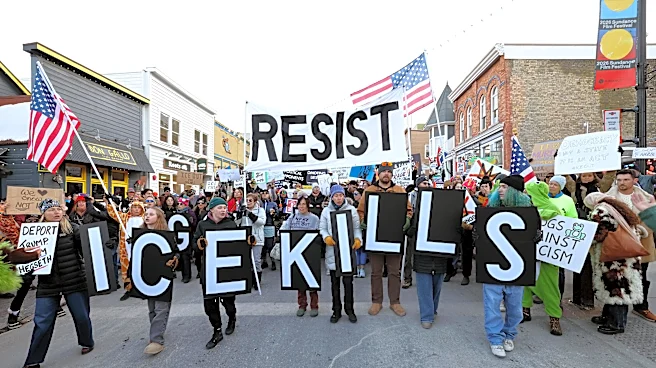
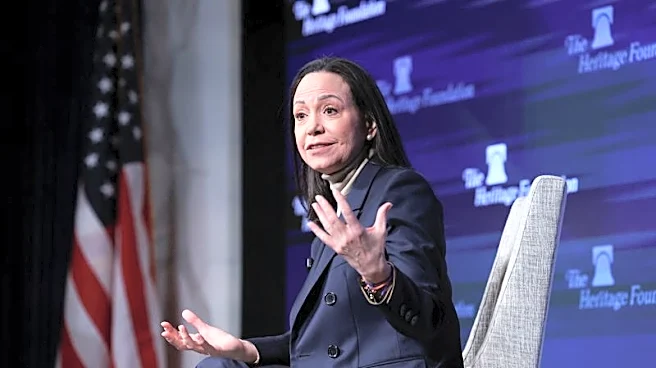
Gallatin County Sheriff Dan Springer confirmed an ICE arrest in Bozeman, Montana, involving several individuals detained by ICE officials. The arrest, which took place near Huffine Lane and Cottonwood Road, has drawn criticism from Senate candidate Alani
Bankhead. Bankhead condemned the Trump administration's directive for ICE agents to meet daily arrest quotas, a policy confirmed by White House senior official Stephen Miller in 2025. She expressed concerns over due process violations and the targeting of individuals with legal rights to be in the U.S. Bankhead's comments highlight the broader debate over immigration enforcement practices and their impact on communities.
Why It's Important?
The incident in Bozeman underscores the ongoing national debate over immigration enforcement and the policies implemented by the Trump administration. The use of arrest quotas for ICE agents has been controversial, with critics arguing that it leads to the unjust detention of individuals, including those with legal residency. This approach has raised concerns about civil liberties and the potential for racial profiling. The political response to such incidents can influence public opinion and shape future immigration policies. The situation also highlights the tension between national security priorities and the rights of individuals within the U.S.
What's Next?
The Bozeman arrest may prompt further scrutiny of ICE practices and the policies driving immigration enforcement. Political leaders and advocacy groups could call for investigations into the use of arrest quotas and their impact on communities. This incident may also influence the upcoming elections, as candidates like Alani Bankhead use it to highlight their positions on immigration policy. The broader debate over immigration enforcement is likely to continue, with potential implications for legislative action and executive policy decisions. Stakeholders, including civil rights organizations and immigrant advocacy groups, may increase their efforts to challenge and reform current practices.