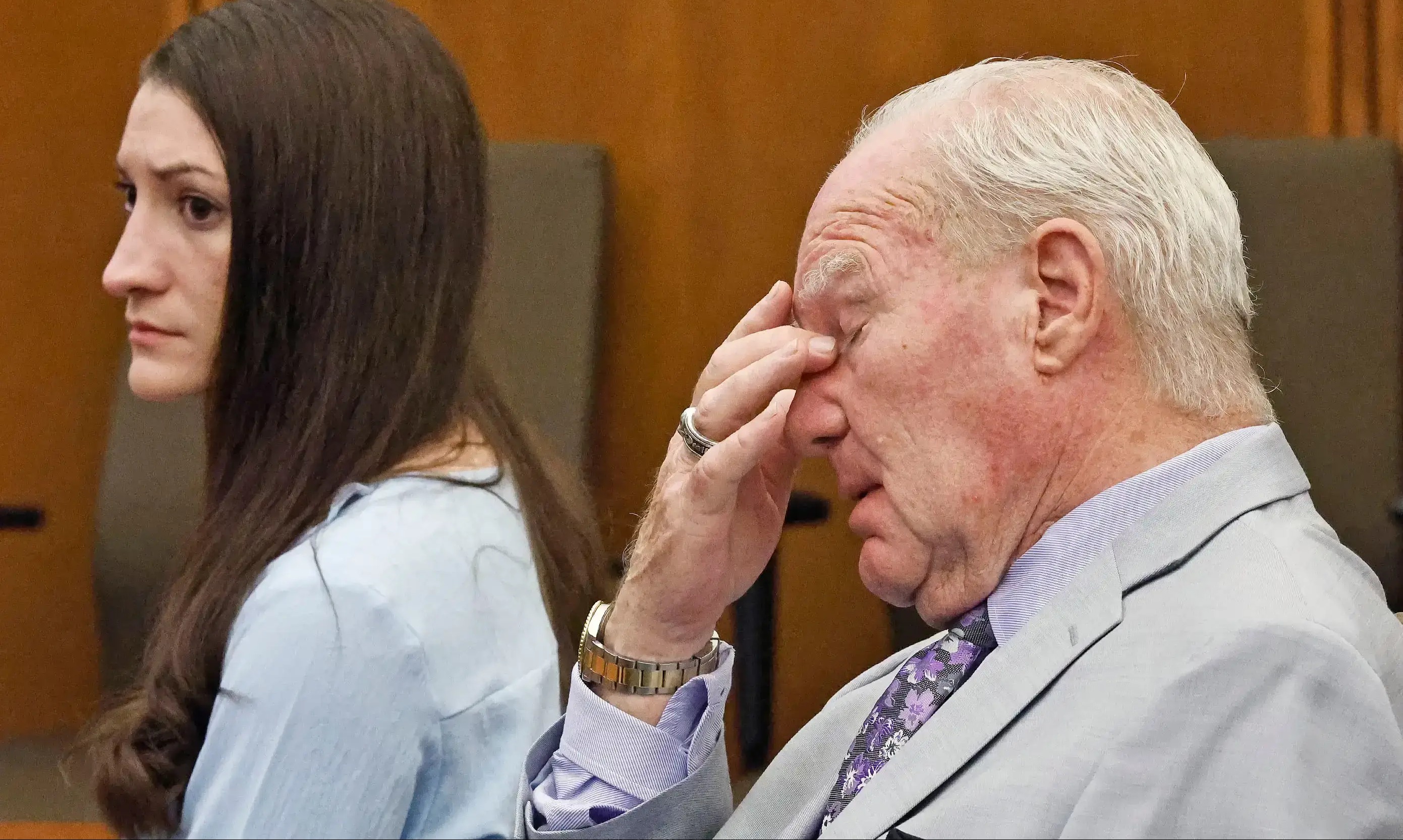








What's Happening?
Dr. Phil McGraw has commented on the mistrial in the Lindsay Clancy case, where jurors were unable to reach a unanimous verdict regarding the deaths of her three children. Clancy's defense argued she suffered from postpartum psychosis, rendering her not
in control of her actions when she strangled her children in 2023. McGraw highlighted the tragedy of the three innocent lives lost and expressed concern about mental illness being treated as a 'political, ideological football' in courtrooms. He stressed that accountability will eventually be met, noting that even if not found criminally responsible, Clancy would likely live in a psychiatric facility. McGraw emphasized the profound difference between postpartum depression and postpartum psychosis, describing the latter as a psychiatric emergency requiring immediate hospitalization and separation from children. He views the case as a 'teachable moment' for the country to understand the severity of mental illness and the need for timely intervention.
Why It's Important?
This case brings critical attention to the understanding and treatment of postpartum psychosis, a severe mental health condition that can have devastating consequences. Dr. Phil's commentary underscores the importance of recognizing the condition as a psychiatric emergency, which could influence healthcare protocols and public awareness campaigns. The discussion around the trial's outcome and the defense's arguments may impact how mental illness is perceived and handled within the legal system, potentially leading to more nuanced approaches in similar cases. Furthermore, the emphasis on 'red flags' and the call for immediate intervention could encourage more mothers and their families to seek help, potentially preventing future tragedies. The case also highlights the societal challenge of balancing accountability for horrific acts with compassion and understanding for severe mental health crises.
What's Next?
The declaration of a mistrial means that the legal proceedings for Lindsay Clancy are not concluded. It is likely that prosecutors will decide whether to pursue a new trial, which would involve presenting the case to a new jury. This decision will depend on various factors, including the strength of their evidence and the likelihood of securing a conviction. Regardless of the legal outcome, the case is expected to continue fueling discussions among mental health professionals, legal experts, and the public about postpartum psychosis, its diagnosis, and its treatment. Advocacy groups for maternal mental health may leverage this case to push for increased funding, better screening protocols, and more accessible emergency psychiatric care for new mothers. The broader societal conversation about mental illness and criminal responsibility will also likely persist.
Beyond the Headlines
The Lindsay Clancy case delves into complex ethical and legal dilemmas surrounding mental illness and culpability. It challenges the public's perception of justice when severe mental health conditions are involved, prompting questions about whether punishment or treatment is the more appropriate response. The distinction between postpartum depression and psychosis, often misunderstood by the general public, is crucial here; the case serves as a stark reminder of the extreme end of maternal mental health struggles. Culturally, the case may contribute to destigmatizing mental health issues, particularly those affecting mothers, by bringing them into mainstream discussion. However, there's also a risk of misinterpretation, where severe psychosis might be conflated with less severe conditions, or conversely, where the severity of psychosis is underestimated. The long-term implications could include a re-evaluation of how the legal system handles cases involving severe mental illness and a push for more integrated mental health support within maternal care.