



What's Happening?
Activists report that the death toll from Iran's recent protests has exceeded 7,000, including over 200 security personnel. This increase in fatalities adds pressure on Iran as it engages in nuclear negotiations with the United States. President Trump
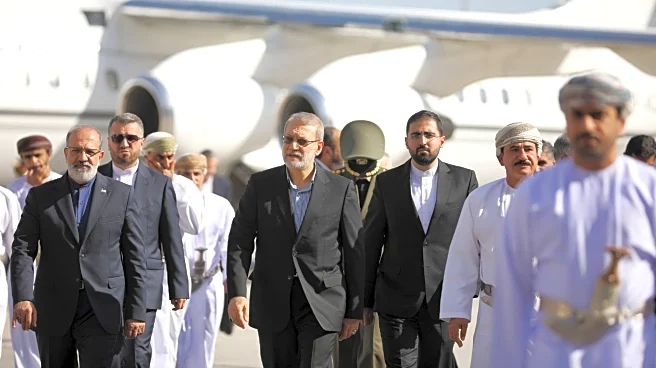
has called for a swift agreement, warning of severe consequences if Iran fails to comply. Israeli Prime Minister Netanyahu has urged Trump to adopt a tougher stance, expressing doubts about any potential deal. Meanwhile, Iranian officials have been involved in diplomatic discussions in Qatar and Oman, though no concrete proposals from the U.S. have been disclosed.
Why It's Important?
The ongoing negotiations are pivotal for regional and global security, as they could lead to a new nuclear agreement that might stabilize or further destabilize the Middle East. The high protest death toll underscores the internal challenges facing Iran, potentially affecting its negotiation strategy. A successful deal could ease military tensions and impact global oil prices, while failure could lead to increased conflict. The involvement of regional powers like Israel and Qatar highlights the broader geopolitical implications.
What's Next?
The U.S. is expected to continue diplomatic efforts, with President Trump aiming for a resolution within a month. The increased U.S. military presence in the region serves as both a negotiating tool and a potential catalyst for conflict. The international community is closely monitoring the situation, particularly regarding human rights concerns in Iran. The outcome of these negotiations could influence future U.S.-Iran relations and the broader Middle East peace process.
Beyond the Headlines
The situation raises important questions about the balance between diplomatic engagement and human rights advocacy. The potential nuclear deal could have long-term implications for non-proliferation efforts and the strategic balance in the Middle East. The international response to Iran's internal repression also highlights the ethical complexities of engaging with regimes accused of human rights abuses.