




What's Happening?
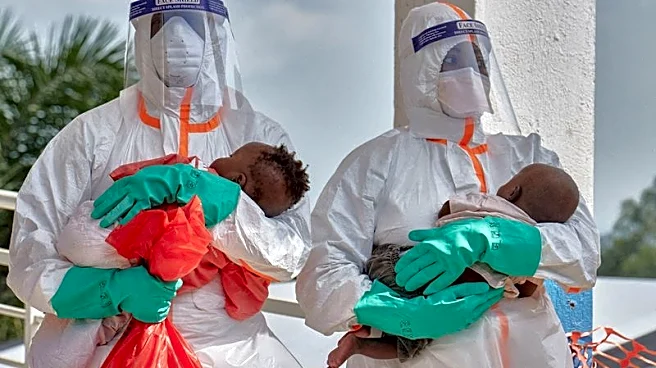
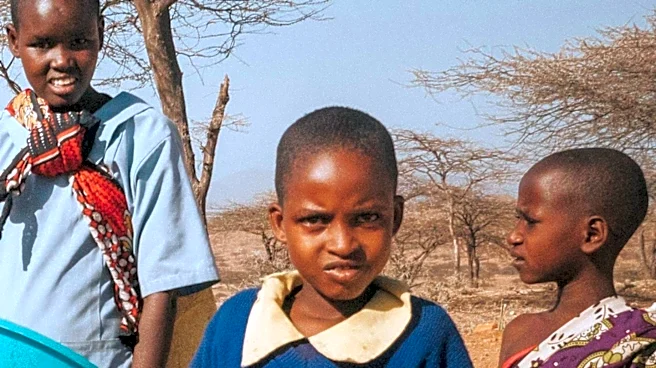
The Ebola outbreak in the Democratic Republic of Congo (DRC) has resulted in the deaths of over 300 children, according to UNICEF. Children represent nearly a quarter of confirmed cases and a third of all deaths. The outbreak, which has surpassed 4,000
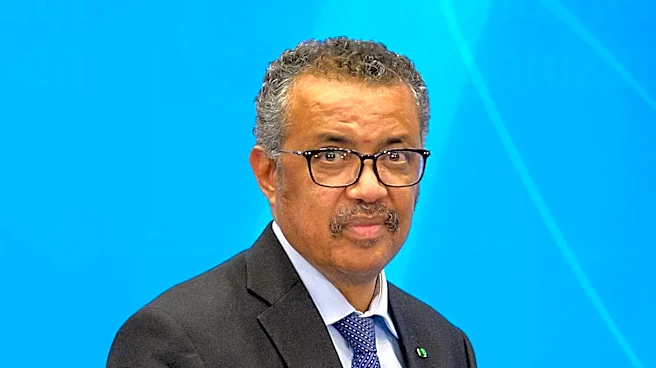
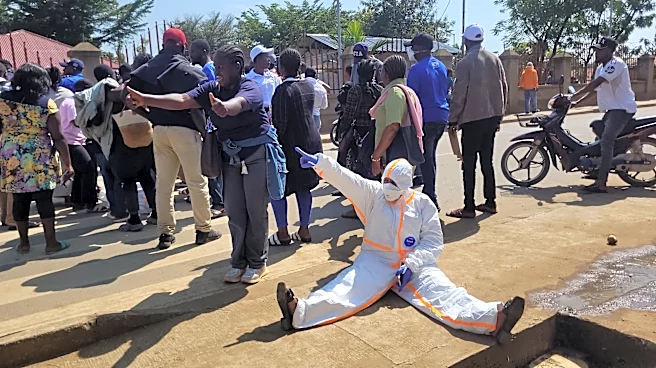
cases with 1,850 deaths, is severely impacting healthcare access, with a 40% drop in service usage in affected areas. The World Health Organization (WHO) is advocating for a community-led response to improve early detection and care access. Efforts include deploying 13,000 community workers to educate the public on prevention and early detection.
Why It's Important?
The high mortality rate among children highlights the vulnerability of this demographic in health crises. The outbreak's impact on healthcare access exacerbates existing public health challenges, particularly for pregnant women and children. The situation underscores the need for robust healthcare systems and effective disease management strategies. The WHO's call for a clinical trial of the Ervebo vaccine against the Bundibugyo virus could lead to advancements in Ebola prevention and treatment, potentially reducing future outbreak impacts.
What's Next?
The WHO plans to initiate a clinical trial for the Ervebo vaccine in the DRC, aiming to evaluate its effectiveness against the Bundibugyo virus. This trial could pave the way for broader vaccine deployment, enhancing Ebola prevention efforts. Continued community engagement and education are critical to overcoming fear and misinformation, which hinder healthcare access. The international community's support will be vital in scaling up response efforts and ensuring the availability of necessary resources.