




What's Happening?
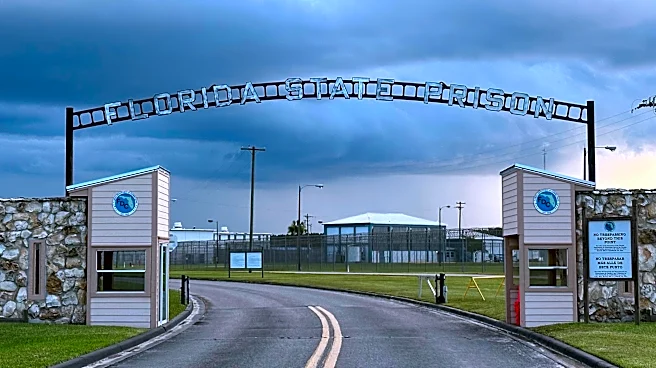
Florida Governor Ron DeSantis has set a record by overseeing 19 executions in 2025, the highest number for any Florida governor since the death penalty was reinstated in 1976. This aggressive approach has made Florida's death chamber the busiest in the United
States. Recently, Florida executed two prisoners on the same day, including 80-year-old Dominick Anthony Occhicone, marking the first time in nearly a decade that two inmates were executed on the same day in the U.S. DeSantis has the authority to set execution dates and has scheduled them to maximize the number of executions. This year, Florida has conducted 12 of the 19 executions nationwide, reversing a two-decade decline in the use of the death penalty.
Why It's Important?
The increase in executions under Governor DeSantis highlights a significant shift in the application of the death penalty in the United States, particularly in Florida. This move could have broader implications for the national debate on capital punishment, potentially influencing other states' policies. The aggressive scheduling of executions may also impact public opinion and legal challenges related to the death penalty. Families of victims may feel a sense of closure, while opponents of the death penalty argue that it raises ethical concerns and questions about the justice system's fairness.
What's Next?
As Florida continues to lead the nation in executions, legal and political challenges are likely to arise. Advocacy groups opposing the death penalty may increase their efforts to challenge the state's practices in court. Additionally, the national conversation around capital punishment could intensify, potentially influencing future legislation or judicial rulings. Governor DeSantis's actions may also become a focal point in political debates, particularly as he continues to expand the state's execution methods.