









What's Happening?
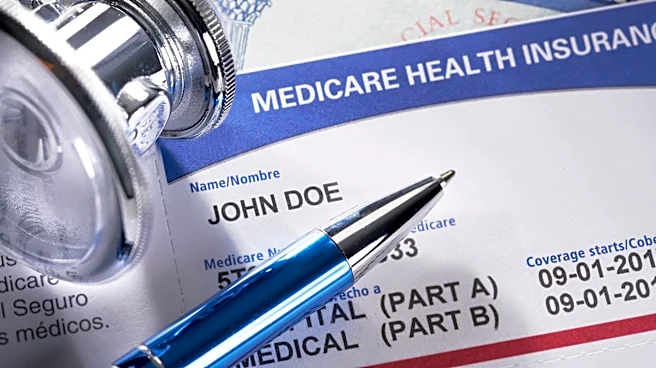
Federal employees approaching age 65 often question the necessity of enrolling in Medicare, given their existing health coverage through the Federal Employees Health Benefits (FEHB) program. While Medicare enrollment is generally voluntary for most federal
retirees, combining FEHB with Medicare is increasingly seen as providing superior and more comprehensive coverage. Medicare Part A, which covers hospital stays, is typically free for workers with ten years of federal service, making its enrollment an immediate benefit without financial downside. Medicare Part B, covering doctor visits and outpatient therapies, requires a monthly premium. Although Part B premiums can adjust upward due to rising health costs, combining it with FEHB is often cost-effective for typical retirees. Exceptions to voluntary enrollment include active Postal Service workers and retirees, as well as individuals covered under TRICARE, who must enroll in Medicare Parts A and B upon eligibility to maintain their health coverage. This dual enrollment strategy alters how medical providers bill, with Medicare becoming the primary insurer and FEHB acting as the secondary, covering remaining balances.
Why It's Important?
The decision for federal retirees to enroll in Medicare alongside their FEHB plans has significant financial and healthcare implications. By combining both systems, retirees can achieve seamless primary and secondary coverage, which often eliminates most out-of-pocket medical expenses, including deductibles, office visit copays, and coinsurance amounts. This integrated approach provides robust financial protection against unexpected medical bills during retirement. Furthermore, several FEHB plans offer incentives, such as direct annual Part B premium reimbursements, to members who enroll in Medicare Part B. These reimbursements, coupled with the ability to switch to Medicare-friendly FEHB plans during Open Season, can significantly lower overall healthcare costs for retirees. Early enrollment in Medicare at age 65 also secures crucial long-term flexibility, allowing retirees to adapt their health strategies and avoid potential late-enrollment penalties that could result in permanent premium surcharges for delayed Part B enrollment. This strategic planning ensures access to affordable Medicare options in the future.
What's Next?
Federal retirees will continue to evaluate their healthcare options as they approach age 65, with many likely opting to combine FEHB with Medicare for enhanced coverage and cost savings. The upcoming Open Season will provide an opportunity for retirees to switch to FEHB plans that offer better coordination with Medicare and potential premium reimbursements. High-income retirees will need to carefully assess the impact of Income-Related Monthly Adjustment Amounts (IRMAA) on their Medicare Part B premiums, as these surcharges can alter the cost-benefit calculation for dual enrollment. For these individuals, maintaining FEHB alone might be a more logical choice if Part B surcharges outweigh the out-of-pocket savings from FEHB coordination. The Centers for Medicare and Medicaid Services (CMS) and federal agencies will likely continue to provide resources and guidance to help federal employees navigate these complex decisions, ensuring they understand the benefits and potential penalties associated with Medicare enrollment.
Beyond the Headlines
The trend of federal retirees combining FEHB with Medicare highlights a broader shift towards optimizing healthcare coverage in retirement, reflecting a proactive approach to managing healthcare costs and ensuring comprehensive medical protection. This strategy underscores the increasing complexity of healthcare navigation for seniors, even those with robust employer-sponsored benefits. The financial incentives offered by some FEHB plans for Medicare Part B enrollment suggest a recognition within the insurance industry of the value of Medicare as a primary payer, reducing the financial risk for secondary insurers. This collaborative model between federal employee benefits and Medicare could serve as a blueprint for other large employer-sponsored health plans, encouraging similar integration to benefit retirees. The emphasis on early enrollment to avoid penalties also points to the long-term financial planning required for retirement healthcare, where decisions made years in advance can have lasting impacts on affordability and access to care.