

What's Happening?
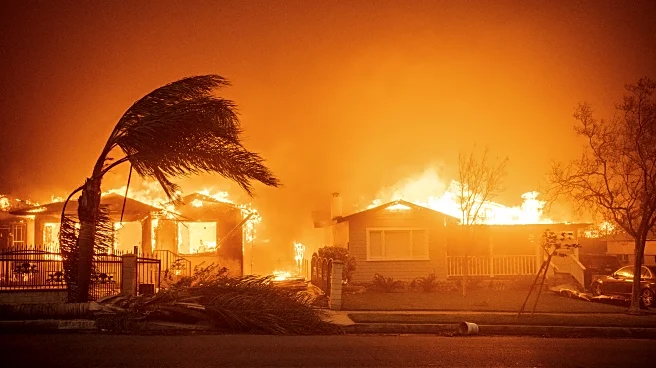
California Attorney General Rob Bonta has announced an independent investigation into the emergency response to the Eaton Fire, which had a devastating impact on West Altadena. The investigation aims to determine whether there was a delay in notifying
and evacuating the historically Black community, potentially violating state anti-discrimination and disability rights laws. The fire, which occurred over a year ago, destroyed thousands of homes and buildings and resulted in 19 deaths. Los Angeles County has stated its full cooperation with the investigation, asserting that previous reviews found no discriminatory bias in the response. The investigation will examine the systems and structures involved in the emergency response to identify any disparities.
Why It's Important?
The investigation into the Eaton Fire response highlights critical issues of racial and social equity in emergency management. If discrimination is found, it could lead to significant changes in how emergency responses are conducted, particularly in communities of color. The outcome of the investigation could influence public policy and lead to reforms aimed at ensuring equitable treatment in emergency situations. This case also underscores the importance of accountability and transparency in government actions, as well as the need to address systemic biases that may exist within emergency response protocols. The findings could have broader implications for civil rights and public safety across the state and potentially the nation.
What's Next?
As the investigation unfolds, stakeholders including community leaders, civil rights organizations, and government officials will be closely monitoring the findings. Depending on the results, there may be calls for policy changes or legal action to address any identified discrimination. The investigation could also prompt other states to review their emergency response protocols to ensure compliance with anti-discrimination laws. Public interest in the case is likely to remain high, with potential implications for future emergency management practices and civil rights protections.