



What's Happening?
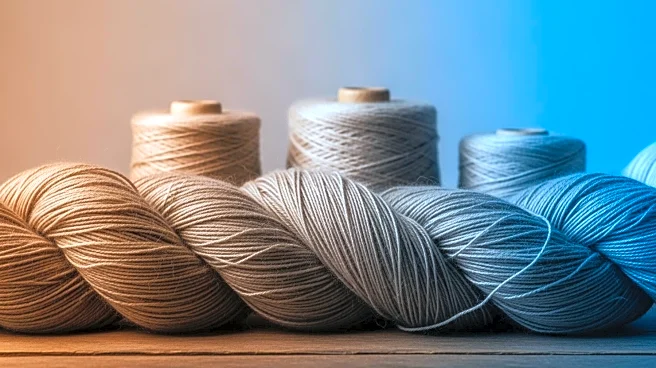
Bangladesh has experienced a 3.20% decline in fabric and yarn imports in 2025, continuing a trend of decreasing imports after previous years of strong inflows. China remains the dominant supplier, accounting for a significant portion of Bangladesh's fabric imports,
particularly in woven and man-made fiber-based materials. India and Pakistan follow as secondary suppliers, with India holding a slightly reduced share compared to previous years. This trend highlights Bangladesh's increasing reliance on Chinese fabric imports, which poses challenges for the local garment industry.
Why It's Important?
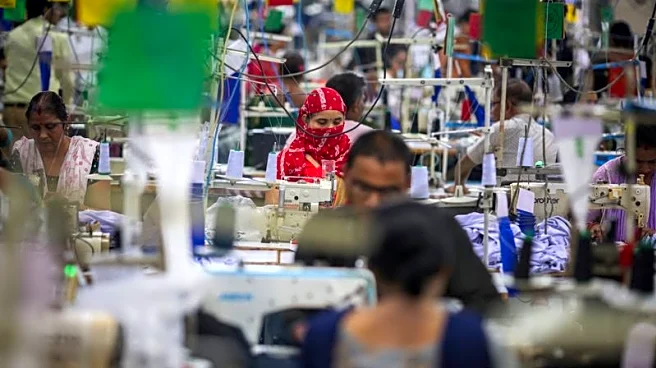
The decline in fabric and yarn imports is significant for Bangladesh's garment industry, which is a major contributor to the country's economy. The reliance on Chinese imports underscores the vulnerability of the industry to external supply chain disruptions. This dependency could impact the competitiveness of Bangladesh's garment exports, as fluctuations in import prices or availability could affect production costs. The situation calls for strategic measures to enhance local production capabilities and reduce reliance on imports, which could strengthen the industry's resilience and sustainability.
What's Next?
To address the challenges posed by import dependency, Bangladesh may need to invest in local production infrastructure and technology. Encouraging domestic production of fabric and yarn could reduce reliance on imports and enhance the competitiveness of the garment industry. Policymakers and industry stakeholders might explore incentives for local manufacturers and partnerships with international firms to transfer technology and expertise. Such initiatives could help stabilize the industry and ensure its long-term growth and sustainability.