
What's Happening?
Richmond Public Schools (RPS) announced that personal information belonging to current and former students, staff, and contractors has been posted on the dark web. This confirmation follows a cybersecurity
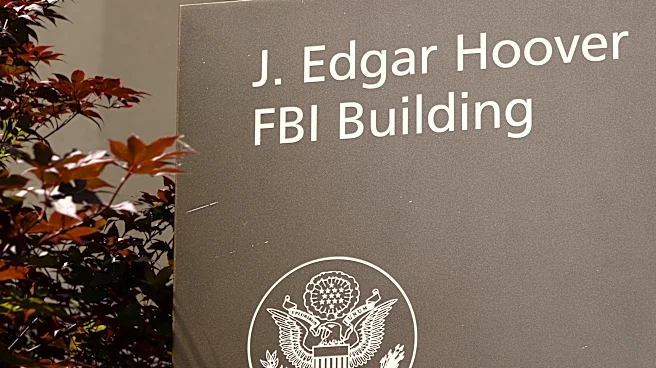
breach that occurred last month, which caused servers and operational systems across the district to go offline. The compromised data potentially includes sensitive details such as names, birth dates, phone numbers, addresses, driver’s license numbers, Social Security numbers, passport numbers, military identification numbers, health insurance numbers, and some medical information related to educational or employment needs. The division's Chief Operating Officer, Patrick Herrel, stated that a forensic audit is underway, and RPS is cooperating with federal officials, including the FBI’s Cyber Crimes Division, the Virginia State Police’s Virginia Cyber Fusion Center, and the Department of Homeland Security’s Cybersecurity and Infrastructure Security Agency. The incident initially disrupted basic school functions, including printing and access to online learning platforms, and affected high school students' ability to apply for college and submit transcripts. The former director of technology services, Tim Tillman, resigned on October 1, weeks before the cyberattack.
Why It's Important?
This data breach at Richmond Public Schools highlights the increasing vulnerability of educational institutions to cyberattacks and the severe consequences for individuals whose personal information is exposed. The compromise of highly sensitive data, including Social Security and driver's license numbers, puts thousands of individuals at risk of identity theft and financial fraud. For students, particularly those applying to colleges, the disruption to online systems can have immediate and long-term impacts on their academic and career trajectories. The incident also underscores broader concerns about cybersecurity infrastructure within public school systems nationwide, as similar breaches have occurred in other districts across Virginia and the country. The departure of the technology director just weeks before the attack raises questions about leadership and preparedness in managing critical IT security, potentially indicating systemic weaknesses that cybercriminals exploit. The need for robust cybersecurity measures and rapid response protocols in educational settings is critically emphasized by this event.
What's Next?
Richmond Public Schools is currently working on establishing a permanent network and implementing a division-wide password reset, a standard procedure after such security incidents. The division has expanded its offer of complimentary identity monitoring services to include former students and employees, providing information on how to enroll for free credit monitoring through Experian. The ongoing forensic audit will aim to determine the full extent of the breach and identify any vulnerabilities that allowed the attack to occur. The school board faces pressure to fill the vacant director of technology position and to provide updates on the audit's completion. Further actions may include enhanced cybersecurity training for staff, investment in more advanced security technologies, and a review of data handling policies to prevent future incidents. Legal ramifications, including potential lawsuits from affected individuals, could also arise as the situation develops.
Beyond the Headlines
The Richmond Public Schools cyberattack points to a growing trend of cybercriminals targeting public sector entities, particularly those with large databases of personal information and potentially under-resourced IT departments. The exposure of sensitive data on the dark web not only creates immediate risks for individuals but also erodes public trust in institutions responsible for safeguarding such information. This incident could prompt a broader re-evaluation of cybersecurity funding and strategies within K-12 education across the U.S., potentially leading to new state or federal mandates for data protection and incident response. The timing of the technology director's departure before the attack may also spark discussions about accountability and succession planning in critical IT roles within public organizations. Furthermore, the incident highlights the ethical responsibility of organizations to transparently communicate with affected parties and provide adequate support in the aftermath of a breach, fostering a culture of proactive security rather than reactive damage control.