








What's Happening?
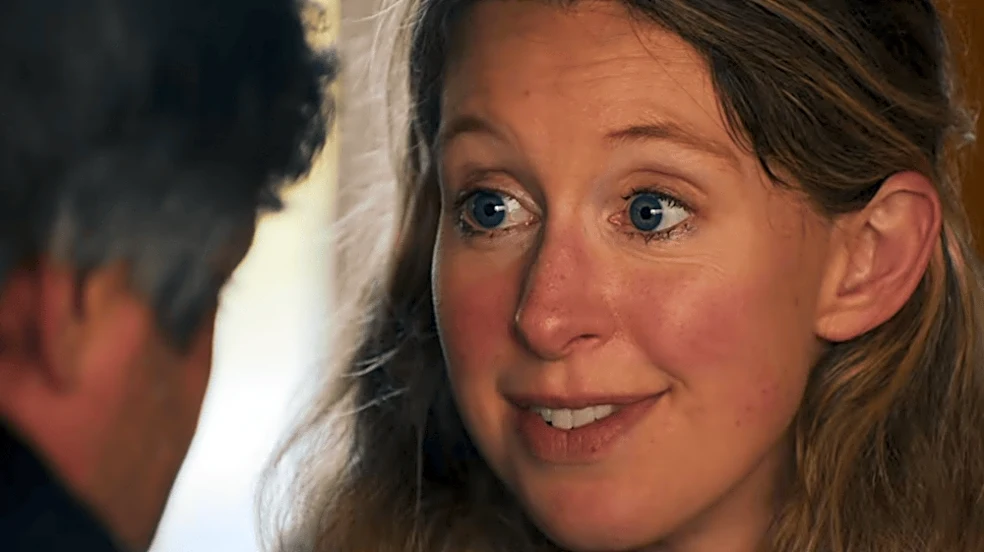
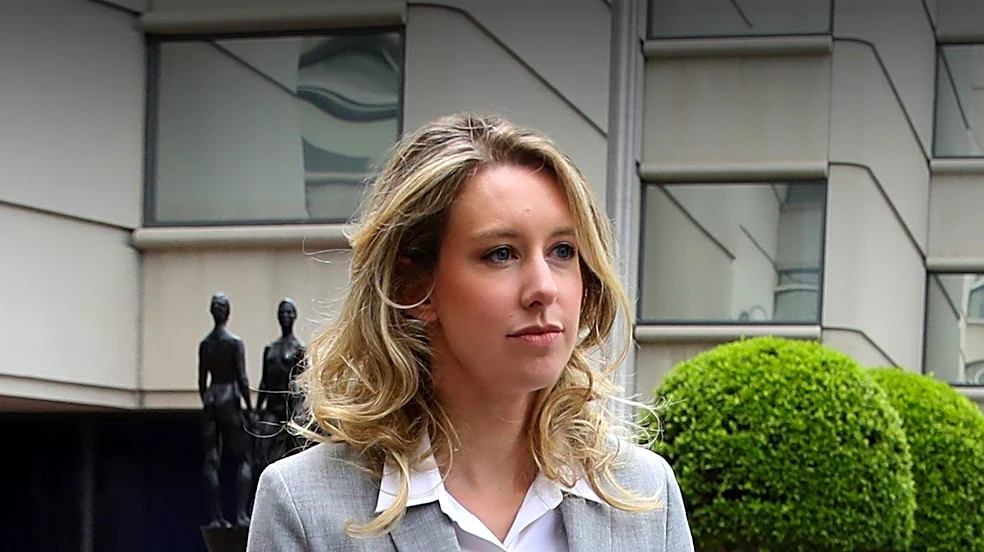
The documentary 'You Can See Everything,' directed by Nathan Fielder and Lance Oppenheim, provides an intimate look into Elizabeth Holmes' life during the 34 days leading up to her 2023 incarceration. The film features Holmes, her partner Billy Evans,
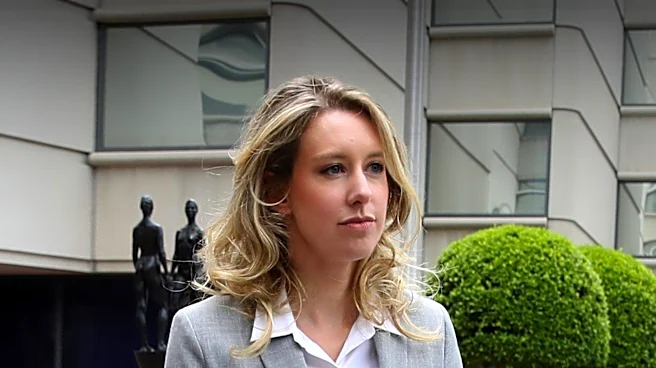
and their children, as she attempts to reshape her public image. Holmes, the founder of Theranos, was convicted of fraud in 2018 and sentenced to over a decade in federal prison. Her company, Theranos, which she started at age 19, claimed to diagnose various illnesses with a few drops of blood. These claims were debunked in 2015 by reporter John Carreyrou's exposé, whistleblower testimonies, and government investigations. Holmes and Theranos executive Ramesh 'Sunny' Balwani were ordered to pay $452 million in restitution. The documentary, reviewed by CNET writers and editors, is described as a psychological thriller with comic undertones, focusing on the tech industry's 'visionary' culture and the implications of Holmes' actions.
Why It's Important?
This documentary is important because it delves into the complex narrative surrounding Elizabeth Holmes, moving beyond a simple binary of 'sociopathic liar' or 'innocent scapegoat.' It highlights how the tech industry's 'do-gooder' framing can be used to justify deceit, often with significant human consequences. The film also touches on the gendered scrutiny Holmes faced, contrasting it with the treatment of powerful men in similar situations. By presenting Holmes' attempts to reclaim her narrative while facing prison, the documentary prompts viewers to consider the nature of truth, manipulation, and self-delusion within the high-stakes world of Silicon Valley startups. It underscores the ongoing debate about accountability for corporate fraud and the ethical responsibilities of tech leaders, particularly when their unproven promises impact public health and investor trust. The film's exploration of Holmes's continued denial of wrongdoing, despite overwhelming evidence, raises questions about the psychological aspects of such high-profile cases.
What's Next?
The documentary's release is likely to reignite public discussion about Elizabeth Holmes' case, the Theranos scandal, and the broader ethical landscape of the tech industry. Viewers and critics will continue to analyze the film's portrayal of Holmes, her motivations, and the effectiveness of her attempts to control her narrative. The film's unconventional structure, blending reality and performance, may also influence future documentary filmmaking approaches to complex legal and public figures. While Holmes is currently incarcerated, the documentary's exploration of her desire for public sympathy or a government pardon suggests that the conversation around her legacy and potential future actions will persist. The film's impact could also extend to how the public perceives other 'visionary' tech founders and the scrutiny applied to their claims, especially in emerging fields like AI, where unproven futures are often presented as monumental breakthroughs.
Beyond the Headlines
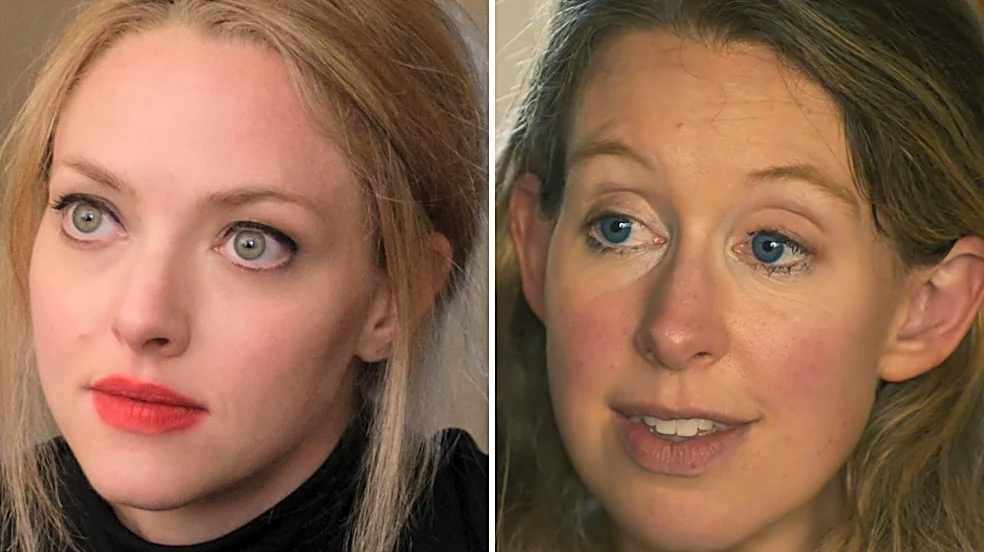
The documentary 'You Can See Everything' offers deeper implications by examining the ethical and cultural dimensions of the 'fake it till you make it' mentality prevalent in Silicon Valley. It highlights how this culture can foster environments where ambition and charisma overshadow factual integrity and accountability. The film's portrayal of Holmes as both a product of a male-dominated tech world and a skilled manipulator raises questions about systemic issues that enable such deceptions. The inclusion of Amanda Seyfried, who played Holmes in 'The Dropout,' further blurs the lines between reality and performance, prompting viewers to consider how media portrayals shape public perception and historical narratives. This meta-narrative challenges the audience to critically evaluate the information presented and the motivations behind it, suggesting that the 'Theranos 2.0' phenomenon, where unproven technologies are aggressively marketed, is an ongoing concern with potential long-term societal impacts.