






What's Happening?
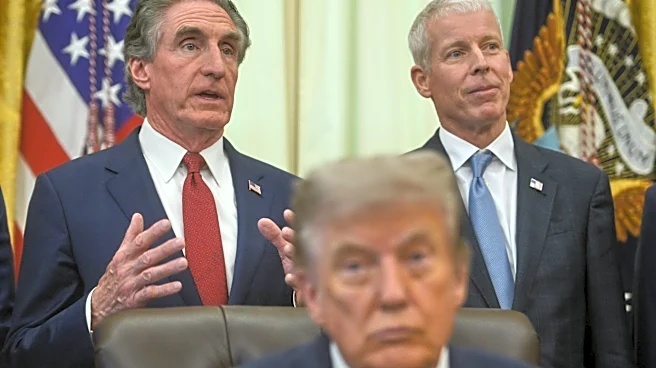
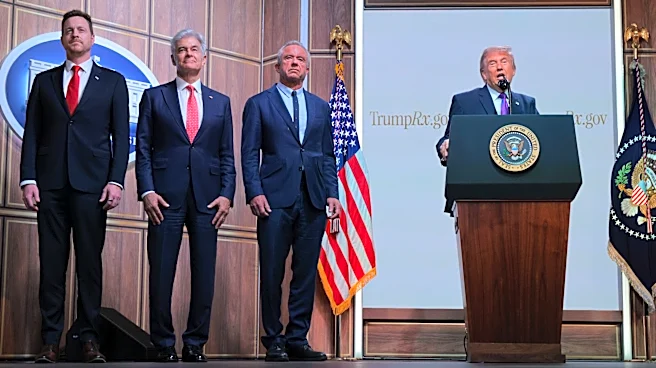
President Trump has announced a series of new tariffs, including 10% to 12.5% on global goods and 25% on Brazilian imports. Despite these moves, the overall U.S. tariff rate remains below pre-Supreme Court levels, currently at 11.1% and expected to rise
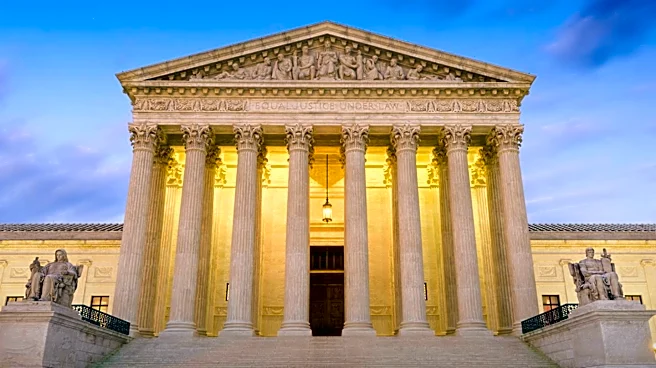
to 11.8% by year-end. The Supreme Court had previously struck down Trump's blanket tariffs, which had rates above 15% in 2025. The new tariffs include plans for a 50% tariff on Canadian goods and 100% on generic drugs by 2028, with further threats of tariffs on Europe.
Why It's Important?
The tariff changes reflect ongoing trade tensions and have significant implications for international trade relations and the U.S. economy. While the new tariffs aim to protect domestic industries, they also risk escalating trade disputes and increasing costs for consumers and businesses. The exemptions on certain goods, such as oil and textiles, indicate strategic considerations in tariff implementation. These developments could influence future trade negotiations and economic policies, impacting various sectors and stakeholders.
What's Next?
The U.S. administration may continue to adjust tariff policies in response to international trade dynamics and domestic economic conditions. An ongoing investigation into structural capacity issues with China and other trading partners could lead to further tariff adjustments. Stakeholders will need to monitor these developments closely, as changes in tariff policies could affect supply chains, pricing strategies, and market access.