



What's Happening?
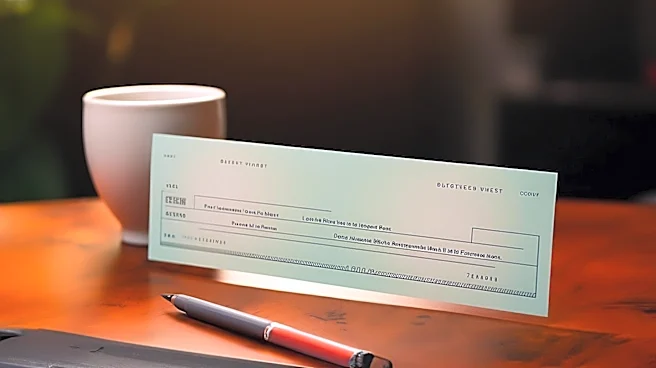
Governor Kathy Hochul of New York has approved a $1 billion rebate program as part of the state's $277 billion budget, which was adopted in May. The program is set to distribute checks of up to $200 to over 8 million New Yorkers in September and October,
just before the upcoming election. The rebate is aimed at alleviating the burden of high utility bills, a concern that Hochul has repeatedly addressed. However, the timing of the distribution has sparked criticism from Republicans, who label it as an election-year gimmick. The rebate checks are part of a broader effort to provide financial relief to residents, especially those with lower incomes, who will receive larger amounts. This initiative follows a similar program in 2025, where an 'inflation rebate' was issued using surplus state funds.
Why It's Important?
The rebate program is significant as it highlights the ongoing debate over fiscal policy and election-year strategies. While the checks offer immediate financial relief to many New Yorkers, critics argue that such measures are temporary solutions to deeper economic issues. The timing of the rebates, coinciding with the election, raises questions about the influence of fiscal policy on voter behavior. Additionally, the program underscores the challenges faced by state governments in balancing budget surpluses with long-term financial planning. The decision to issue rebates rather than bolster state reserves or invest in infrastructure reflects differing priorities among political leaders and fiscal watchdogs.
What's Next?
As the rebate checks are distributed, political and public reactions will likely intensify. Republicans and some progressive Democrats may continue to criticize the program, advocating for alternative uses of state funds. Meanwhile, Governor Hochul's administration will need to address these criticisms while ensuring the effective distribution of the rebates. The impact of the rebates on the upcoming election will be closely monitored, as it may influence voter perceptions of the governor's economic policies. Additionally, the state may face pressure to implement more sustainable solutions to address high utility costs and other economic challenges.