
What's Happening?
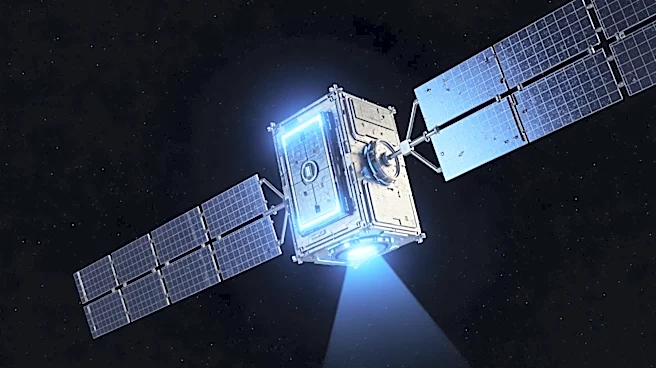
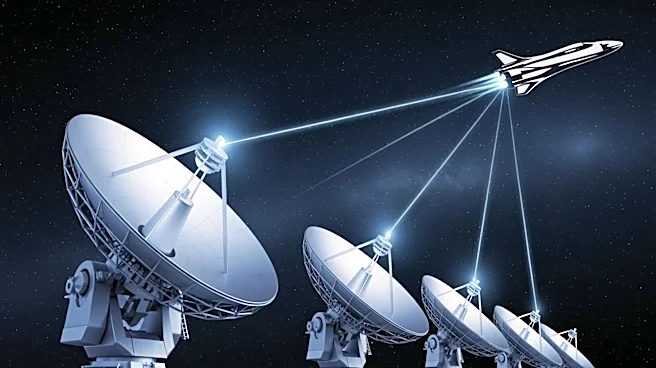
The U.S. Space Force has awarded SpaceX a $4.16 billion contract to expedite the deployment of satellites designed to track moving aircraft, drones, and cruise missiles. This agreement, part of the Space-Based
Airborne Moving Target Indicator (SB-AMTI) program, aims to establish a satellite network capable of continuous airborne target detection by 2028. The contract follows a request for $7 billion to initiate SB-AMTI procurement in fiscal 2027, contingent on congressional approval. The SB-AMTI program is intended to replace traditional Air Force systems like the E-3 Sentry and the retired E-8 Joint Surveillance Target Attack Radar System, with the E-7 Wedgetail's future uncertain due to budget constraints. The Space Force's initiative reflects a strategic shift towards space-based solutions to overcome the vulnerabilities of current platforms.
Why It's Important?
This contract marks a significant step in the U.S. military's transition to space-based surveillance systems, enhancing national security by providing a more resilient and comprehensive tracking capability. The move to space-based systems addresses the survivability issues of current airborne platforms, which are susceptible to enemy anti-access/area-denial strategies. By diversifying the vendor pool, the Space Force aims to foster innovation and maintain a competitive industrial base, ensuring long-term access to advanced technologies. This development could lead to increased collaboration between traditional and non-traditional aerospace companies, potentially driving technological advancements and economic growth within the sector.
What's Next?
The Space Force plans to award additional contracts to expand the vendor pool, enhancing the SB-AMTI program's capacity and capability. This approach aims to ensure a robust and competitive industrial base, supporting the Joint Force's operational needs. The ongoing development of the SB-GMTI program, which focuses on ground-based target tracking, remains in the research phase, indicating future opportunities for industry involvement. As the Space Force continues to integrate space-based solutions, further contracts and collaborations are expected, potentially reshaping the landscape of military surveillance and reconnaissance.