

What's Happening?
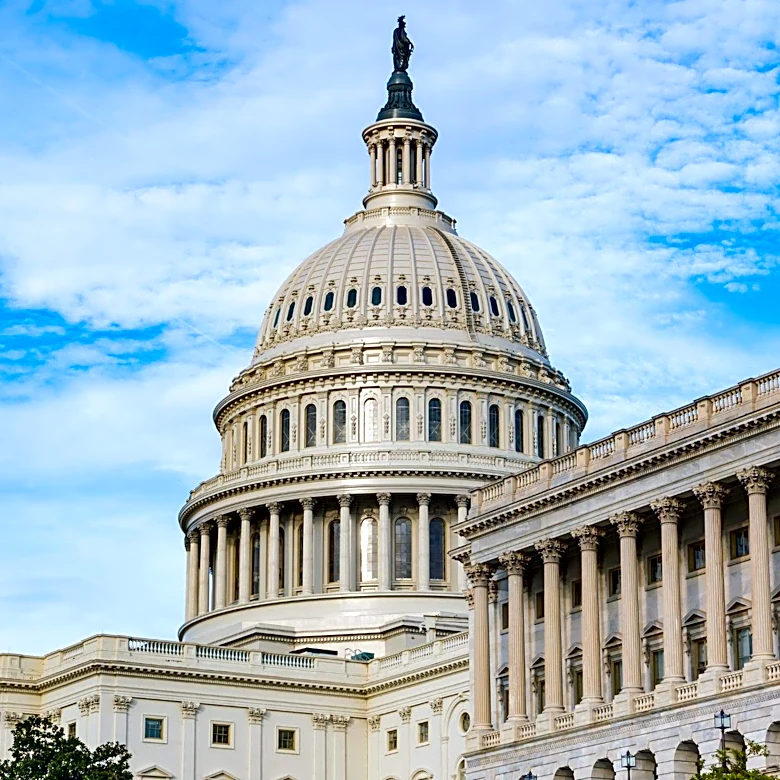
Congresswoman Harriet Hageman (R-Wyo.) has introduced the 'Stop Climate Shakedowns Act of 2026,' a bill aimed at protecting the fossil fuel industry from legal liability related to climate change. The House Judiciary Committee is scheduled to debate and
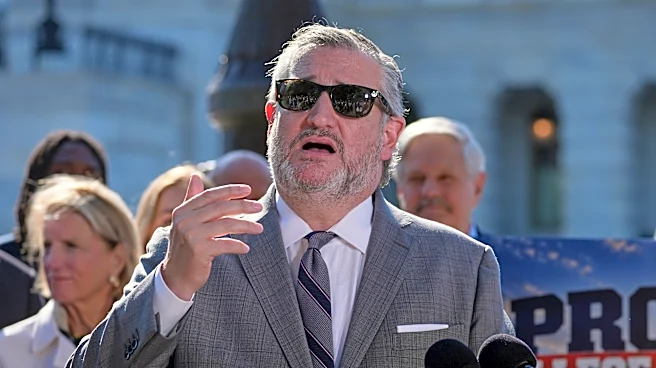
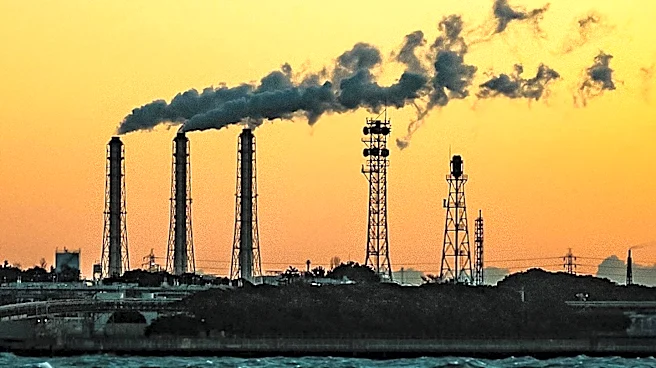
vote on this bill. The legislation seeks to prohibit lawsuits against entities involved in the mining, extraction, production, refinement, transportation, distribution, marketing, manufacture, or sale of energy for damages or injunctive relief. The bill asserts that linking fossil fuel emissions to climate-related disasters lacks 'scientific credibility,' a claim that contradicts extensive scientific research. A companion bill has also been introduced in the Senate by Senator Ted Cruz (R-Texas) and three other Republican senators. This legislative push comes amidst increasing lawsuits against the fossil fuel industry by cities, states, and tribal governments, which accuse these companies of deceiving the public about their climate impacts. The U.S. Supreme Court is also set to hear an appeal from oil companies that could impact many of these ongoing cases.
Why It's Important?
This legislation is significant because it represents a concerted effort by some members of Congress and the fossil fuel industry to limit accountability for climate change. If enacted, the 'Stop Climate Shakedowns Act' would grant broad immunity to fossil fuel companies, potentially undermining ongoing and future legal challenges seeking to hold them responsible for environmental damages and adaptation costs. This could shift the financial burden of climate change impacts from corporations to taxpayers and affected communities. The bill's assertion that the link between fossil fuel emissions and climate disasters lacks scientific credibility directly challenges decades of scientific consensus, potentially influencing public discourse and policy decisions on climate action. The timing of this bill, coinciding with the Trump administration's efforts to roll back environmental regulations, highlights a broader strategy to reduce governmental and legal oversight of the fossil fuel sector, particularly in states like Wyoming and Texas, which are major energy producers.
What's Next?
The House Judiciary Committee is scheduled to debate and vote on the 'Stop Climate Shakedowns Act of 2026.' While the bill faces a long path to becoming law, its consideration signals a continued legislative effort to protect the fossil fuel industry. Even if the bill does not pass independently, some of its provisions could be incorporated into other must-pass legislation. Major stakeholders, including environmental advocacy groups like the Center for Climate Integrity and the Center for Biological Diversity's Climate Law Institute, are expected to continue opposing such measures, arguing that they undermine accountability and states' rights to address climate impacts. The upcoming U.S. Supreme Court hearing on Suncor Energy v. County Commissioners of Boulder County on October 5 will also be a critical development, as its outcome could significantly influence the legal landscape for climate-related lawsuits against the fossil fuel industry, regardless of the legislative efforts in Congress.
Beyond the Headlines
The 'Stop Climate Shakedowns Act' delves into deeper implications concerning the balance of power between federal and state governments, corporate responsibility, and the interpretation of scientific evidence in policy-making. The bill's attempt to preempt state-level lawsuits raises questions about federalism and whether the federal government should override states' abilities to seek redress for damages. Furthermore, the legislation's dismissal of established climate science could set a dangerous precedent, potentially eroding the role of scientific consensus in public policy and legal proceedings. This legislative move also highlights the ongoing tension between economic interests, particularly those of the fossil fuel industry, and environmental protection. The debate surrounding this bill reflects a broader cultural and political divide on how the U.S. should address climate change, with significant ethical considerations regarding intergenerational equity and the responsibility of industries for their long-term societal and environmental impacts.