



What's Happening?
The Wildfire Reduction Market Expansion Act of 2026, also known as HR-9827, proposes changes to the Clean Air Act's definition of 'renewable biomass' to include a broader range of forest and vegetation materials. This expansion aims to increase the supply
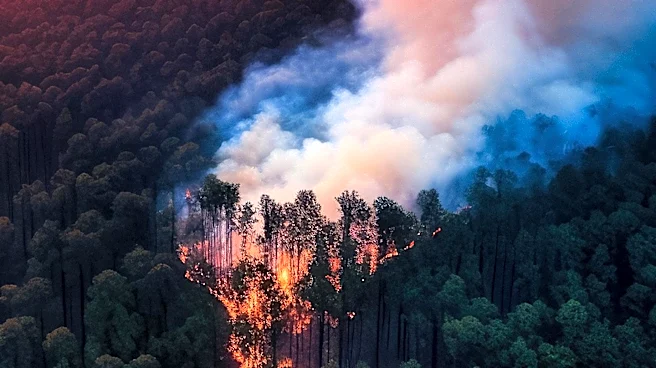
of materials eligible for renewable fuel credits, particularly those removed for wildfire risk reduction and routine forest management. The bill specifies that materials such as sawdust, wood chips, and storm debris from private and public lands can qualify if certified by landowners or local federal offices. The inclusion of tribal lands and vegetation cleared for wildfire risk reduction further broadens the scope of eligible materials. The bill seeks to create financial incentives for removing hazardous fuels and supporting biofuel industries.
Why It's Important?
The expansion of renewable biomass eligibility could significantly impact the biofuel industry by increasing the availability of feedstocks for renewable fuel production. This change may stimulate economic growth in rural and forested areas by creating new markets for low-value wood and residues. Additionally, the bill could enhance wildfire management efforts by providing financial incentives for fuel-reduction projects, potentially reducing the risk of devastating wildfires. For private landowners and forestry companies, the bill offers opportunities to monetize materials previously considered waste, thereby supporting sustainable forest management practices. The legislation also underscores the federal government's commitment to promoting renewable energy sources and addressing climate change.
What's Next?
If passed, the bill will require the Environmental Protection Agency (EPA) to implement the new definition of renewable biomass and manage the certification process. This may involve increased administrative work for the EPA and local USDA/Interior offices. Stakeholders, including biofuel producers, forestry companies, and landowners, will need to adapt to the new regulations and explore opportunities to benefit from the expanded eligibility. The bill's progress through Congress will be closely monitored by industry groups and environmental organizations, who may advocate for further amendments or express concerns about its potential environmental impact.