

What's Happening?
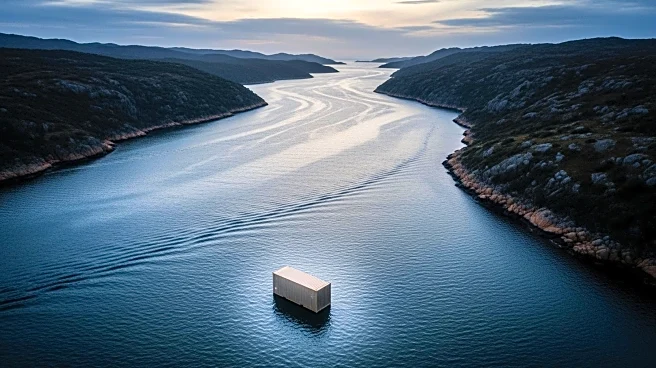
Shipping companies and insurers are increasingly wary of operating in the Strait of Hormuz due to the potential for environmental disasters. The region, which is crucial for global oil trade, lacks the sophisticated oil spill response capabilities found
in the U.S. This has led to heightened concerns about the risks of a major oil spill, which could have catastrophic environmental and economic consequences. Insurance costs for shipping in the area have surged, with coverage for hull, machinery, and cargo becoming significantly more expensive. Despite President Trump's assurances to support the industry, the lack of pollution coverage remains a critical gap.
Why It's Important?
The Strait of Hormuz is a vital chokepoint for global oil shipments, and disruptions there could have far-reaching economic impacts. The increased insurance costs reflect the heightened risk environment, which could deter shipping companies and affect global oil supply chains. The absence of comprehensive pollution insurance coverage leaves the region vulnerable to environmental disasters, which could have severe consequences for the local economy and environment. The situation underscores the need for international cooperation and investment in environmental risk management.
What's Next?
The U.S. government may need to consider establishing a backstop for environmental risks similar to the Terrorism Risk Insurance Act (TRIA) to provide assurance to insurers and shipping companies. The Development Finance Corporation is expected to release more details about its reinsurance facility, which could play a role in mitigating some of the financial risks. However, without addressing the pollution coverage gap, the region remains at risk of a significant environmental and economic crisis.