





What's Happening?
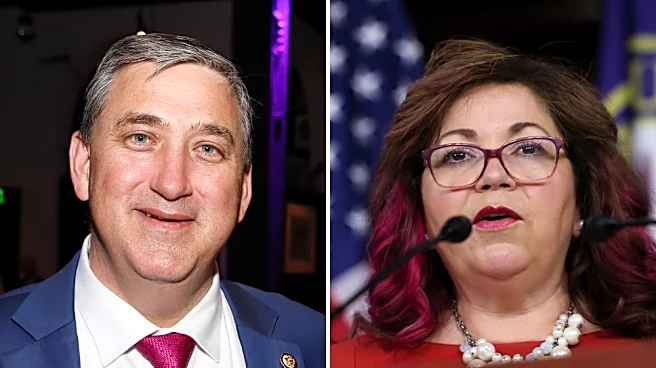
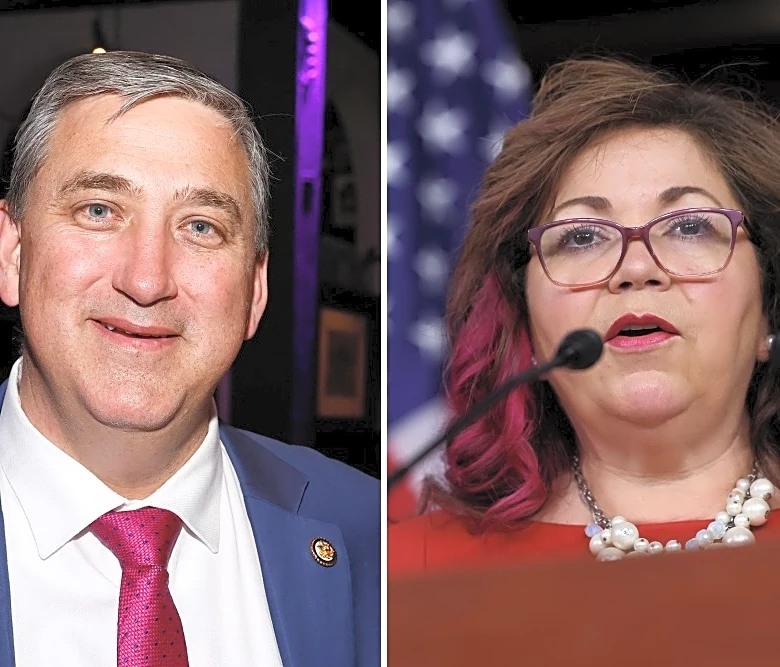
Senator Sheldon Whitehouse, D-Rhode Island, and Representative Hank Johnson, D-Georgia, have proposed a federal Bivens Act. This legislative initiative aims to codify nationally the right for individuals to sue federal employees for constitutional violations.
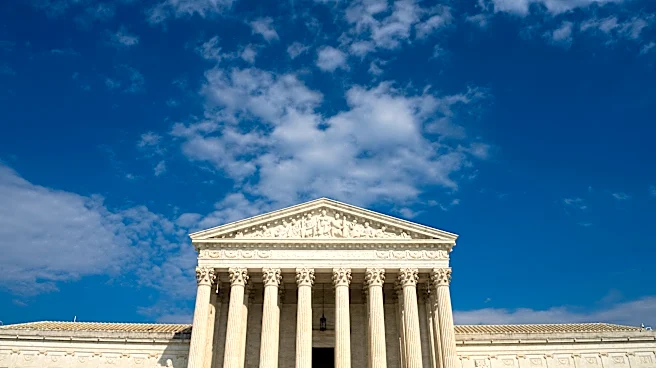
The proposal comes amidst a legal landscape where the ability to sue federal law enforcement officers for constitutional breaches has been significantly narrowed by Supreme Court rulings since the original 1971 Bivens v. Six Unknown Federal Narcotics Agents case. Currently, individuals seeking recourse against federal officials often face limited avenues, relying on a judicial remedy that the Supreme Court has increasingly restricted. The proposed federal Bivens Act seeks to establish a clearer and more consistent legal pathway for accountability, similar to existing state laws in Illinois, New Jersey, New York, California, and Massachusetts, which allow lawsuits against state and local officials.
Why It's Important?
The proposed federal Bivens Act is critically important for upholding constitutional rights and ensuring accountability within federal law enforcement. The current limitations on Bivens lawsuits mean that individuals whose constitutional rights are violated by federal agents often have little to no legal recourse. This creates a disparity where state and local officials can be sued for similar actions, but federal officials are largely shielded. The legislation aims to close this gap, providing a vital mechanism for citizens to seek justice and deter potential abuses of power by federal employees. For civil liberties advocates, this act represents a crucial step towards strengthening the rule of law and protecting individual freedoms against governmental overreach. Without such a federal framework, the ability to hold federal agents accountable for actions like unlawful arrests, excessive force, or other constitutional infringements remains severely constrained, potentially eroding public trust in federal institutions.
What's Next?
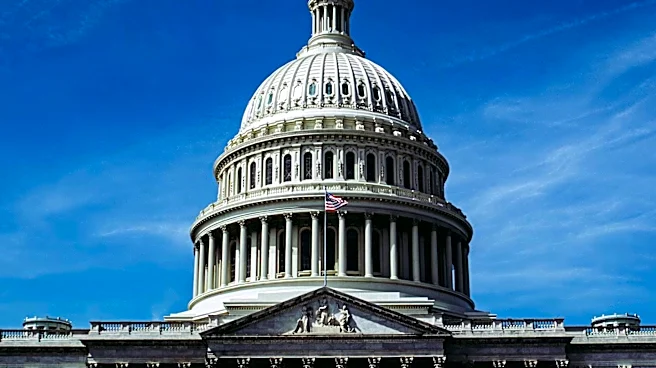
The federal Bivens Act proposed by Senator Whitehouse and Representative Johnson will need to navigate the legislative process in Congress. This will involve committee hearings, potential amendments, and votes in both the House and Senate. The bill's proponents will likely emphasize the need for federal accountability and the protection of constitutional rights, drawing parallels with existing state-level mechanisms. However, it may face opposition from those concerned about potential impacts on federal law enforcement operations or increased litigation against federal employees. The ongoing legal challenges to state-level Bivens-like laws, such as the Trump administration's fight against Illinois's statute, highlight the contentious nature of this issue. The success of this federal proposal will depend on its ability to garner bipartisan support and overcome potential legislative hurdles.
Beyond the Headlines
The debate surrounding a federal Bivens Act delves into fundamental questions about governmental power, individual rights, and the mechanisms of justice in a democratic society. The Supreme Court's gradual curtailment of Bivens remedies reflects a broader judicial trend that has made it increasingly difficult to sue federal officials. This legislative effort by Whitehouse and Johnson represents a congressional attempt to reassert legislative authority in defining the scope of federal accountability. The outcome could have profound implications for the balance of power between the judiciary and the legislature, as well as for the relationship between citizens and federal agencies. It also highlights the ethical imperative of ensuring that those entrusted with governmental authority are subject to meaningful legal checks and balances, preventing a system where constitutional violations by federal employees can go unaddressed.