




What's Happening?
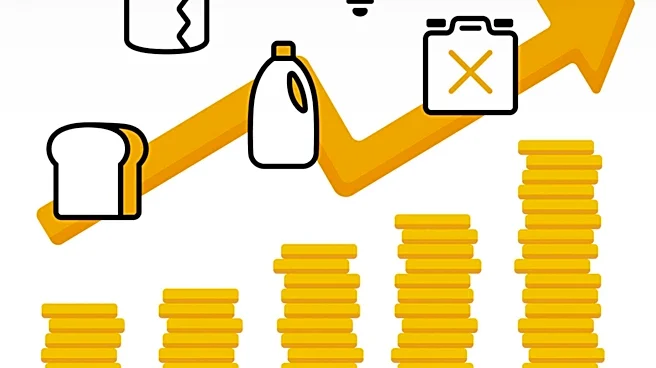
Residents in Seattle are facing one of the highest inflation rates in the country, with the rate reaching 4.5% in June, significantly above the national average. The primary driver of this inflation is the rising cost of energy, including gasoline and
home energy expenses. Many residents, like Britney Johnson, are making sacrifices to cope with the increased cost of living, such as changing commuting habits and cutting back on expenses. The state's cap-and-invest program, aimed at limiting carbon emissions, has been cited as a factor contributing to higher energy prices.
Why It's Important?
The high inflation rate in Seattle highlights the broader challenges faced by urban areas with rising living costs. Energy prices significantly impact household budgets, affecting disposable income and overall economic well-being. The situation in Seattle reflects the national trend of rising costs, particularly in energy and housing, which can strain family finances and limit economic mobility. Policymakers must address these inflationary pressures to ensure economic stability and support for affected communities.
Beyond the Headlines
The inflationary pressures in Seattle underscore the complex interplay between environmental policies and economic outcomes. While efforts to reduce carbon emissions are crucial for long-term sustainability, they can have immediate economic impacts, such as increased energy costs. Balancing environmental goals with economic affordability is a critical challenge for policymakers. Additionally, the situation highlights the need for comprehensive strategies to address the cost of living in urban areas, including affordable housing and transportation solutions.