






What's Happening?
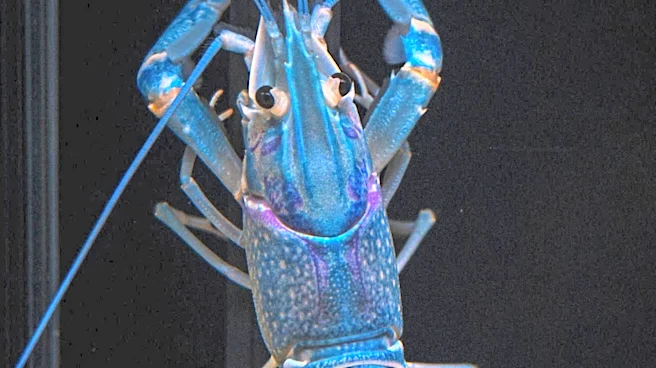
Residents in Columbus, Ohio, have reported sightings of invasive red swamp crayfish in local yards and patios. These crayfish, which have spread beyond their native range through the pet trade, pose a threat to local ecosystems by outcompeting native wildlife,
damaging vegetation, and altering water quality. The clay-rich soil in Ohio has so far limited their spread, but concerns remain about the potential impact of the marbled crayfish, a self-cloning species that could pose a greater threat. Wildlife experts are urging residents to report sightings and avoid releasing aquarium animals into the wild to prevent further spread.
Why It's Important?
The presence of invasive species like the red swamp crayfish can significantly disrupt local ecosystems, leading to declines in native wildlife populations and affecting water quality. This can have broader implications for community recreational spaces and increase costs for monitoring and control efforts. Early detection and management are crucial to preventing these species from becoming established and causing long-term ecological damage. The situation highlights the importance of public awareness and responsible pet ownership in preventing the spread of invasive species.
What's Next?
Authorities have already banned sales channels that contributed to the spread of the red swamp crayfish and are using wildlife-trafficking laws to address illegal sales of marbled crayfish. Residents are encouraged to report any unusual crayfish sightings to local wildlife officials and to avoid moving these animals to other bodies of water. Continued public education and monitoring efforts will be essential in managing the threat posed by these invasive species and protecting local ecosystems.