







What's Happening?
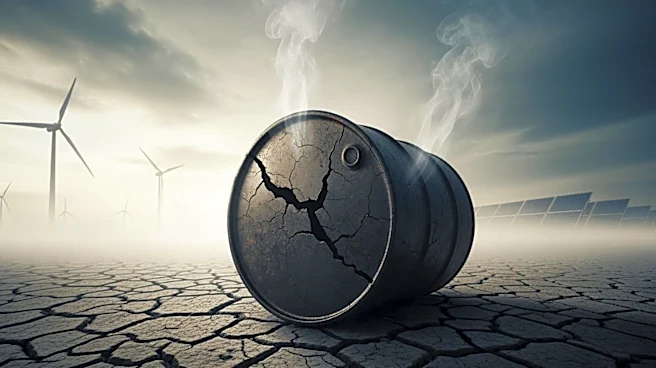
China is positioned to benefit from the ongoing global energy disruptions caused by the Iran war, which has accelerated a shift away from fossil fuels towards clean technologies and renewable power. As the largest purchaser of Iranian oil, China is expected
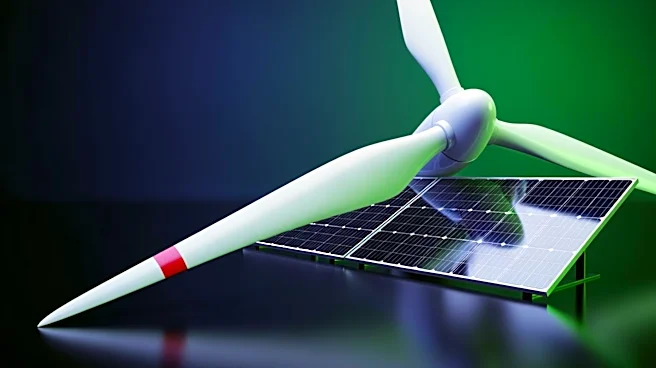
to gain from the fossil fuel disruptions, leading the world in battery, solar, and electric vehicle exports. The conflict has validated China's approach to energy sector development, which integrates energy security with national security. Chinese industry giants like BYD and CATL are well-positioned to capitalize on the growing interest in low-emissions energy products, as the world confronts the fragility of fossil fuels.
Why It's Important?
The shift towards clean technologies is significant as it highlights the growing demand for renewable energy products globally, potentially boosting China's economic influence in these sectors. The U.S., under President Trump, focused on fossil fuels, promoting energy exports for 'energy dominance.' However, the current energy crisis underscores the vulnerabilities of fossil fuel reliance, potentially leading to increased investment in renewables. This situation may impact U.S. industries negatively, while Chinese companies could see financial benefits from increased demand for clean energy technologies.
What's Next?
As the energy crisis continues, countries heavily dependent on energy imports may increase investment in renewable power and battery storage. This could lead to a rise in demand for Chinese technology, including solar panels, batteries, and electric cars. The ongoing conflict may act as a catalyst for further adoption of electric vehicles and renewable energy solutions, although the full impact will depend on the conflict's duration and resolution.
Beyond the Headlines
The geopolitical implications of the energy crisis could lead to a reevaluation of energy policies globally, with countries potentially shifting towards more sustainable energy sources. This may result in long-term changes in energy consumption patterns and increased collaboration on clean energy initiatives.