




What's Happening?
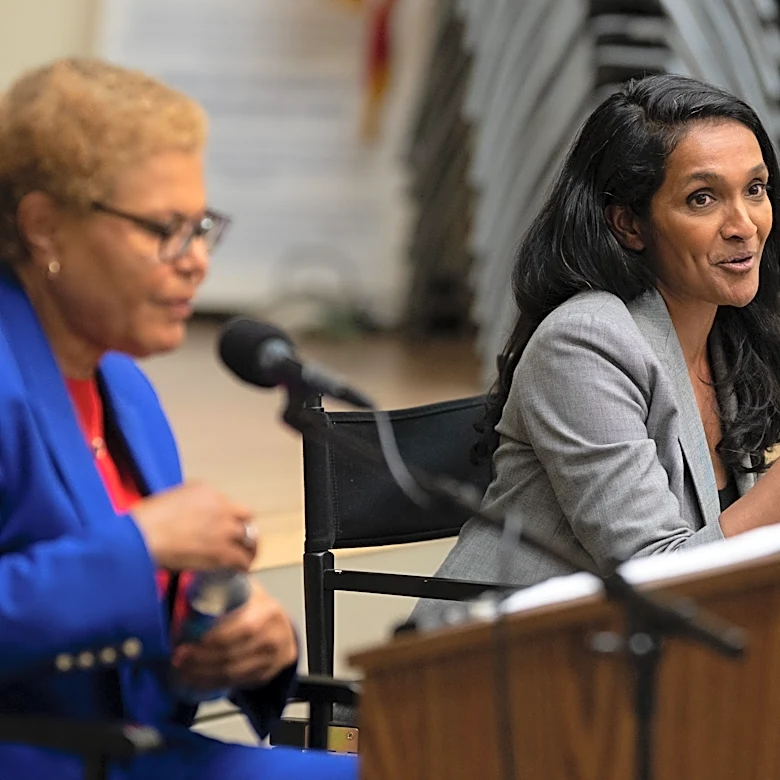
The Inter-Parliamentary Union's (IPU) Global Parliamentary Conference on Human Rights, held in Geneva on November 12 and 13, brought together approximately 120 parliamentarians, United Nations experts, and civil society representatives. The conference
aimed to equip parliaments with the tools to translate international human rights commitments into concrete national actions. Key recommendations from the conference include systematically following up on United Nations human rights reviews, assessing laws and budgets for their impact on rights, and involving affected communities in policy scrutiny. Delegates also emphasized the need for stronger protection for journalists, whistle-blowers, and elected representatives against intimidation, while ensuring that measures against online harms do not become tools for censorship. The central conclusion was that human rights must be embedded across all aspects of parliamentary work, not confined to a single committee.
Why It's Important?
This initiative is crucial for strengthening human rights protections globally, including in the U.S., by advocating for their integration into the core functions of legislative bodies. By urging parliamentarians to consider human rights in every piece of legislation and budget allocation, the conference aims to create a more robust framework for accountability and protection. This approach can prevent laws from inadvertently infringing on rights and ensure that public spending genuinely supports human rights and essential services. The emphasis on protecting journalists and whistle-blowers is vital for maintaining transparency and holding power accountable, which are cornerstones of democratic societies. For the U.S., adopting such a comprehensive approach could lead to more rights-conscious policymaking and potentially influence its foreign policy and aid decisions, aligning them more closely with international human rights standards.
What's Next?
Following the conference, parliamentarians are expected to take these recommendations back to their respective legislative bodies. The IPU and other human rights organizations will likely continue to advocate for the implementation of these principles, encouraging parliaments to adopt more systematic approaches to human rights. This could involve developing new legislative frameworks, amending existing laws, and integrating human rights impact assessments into budget processes. There may also be increased international pressure on governments to protect journalists and whistle-blowers and to ensure that digital regulations do not lead to censorship. The ongoing dialogue and collaboration between parliamentarians, UN experts, and civil society groups will be critical in driving these changes and ensuring that human rights pledges translate into tangible actions.
Beyond the Headlines
The call to embed human rights across all parliamentary functions highlights a fundamental shift in how governance can approach human rights—moving beyond reactive measures to proactive integration. This holistic approach recognizes that human rights are not merely legal obligations but foundational principles that should guide all public policy and resource allocation. The discussions on artificial intelligence, privacy, and discriminatory algorithms underscore the evolving challenges to human rights in the digital age, prompting legislators to consider the ethical implications of emerging technologies. This initiative also implicitly challenges the notion that human rights are solely the domain of specialized committees, advocating for a broader cultural change within legislative institutions where every lawmaker is a steward of human rights. This could lead to a more resilient and rights-respecting global political landscape.