







What's Happening?
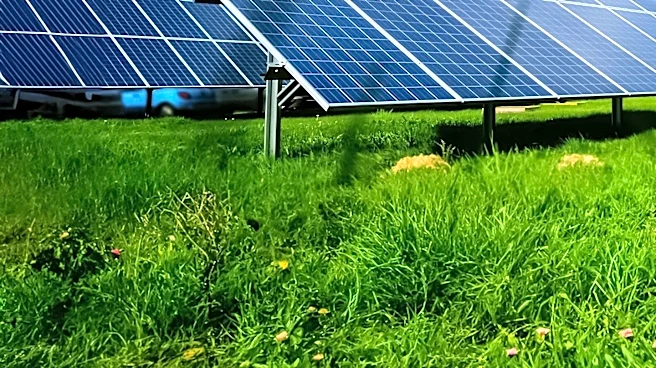
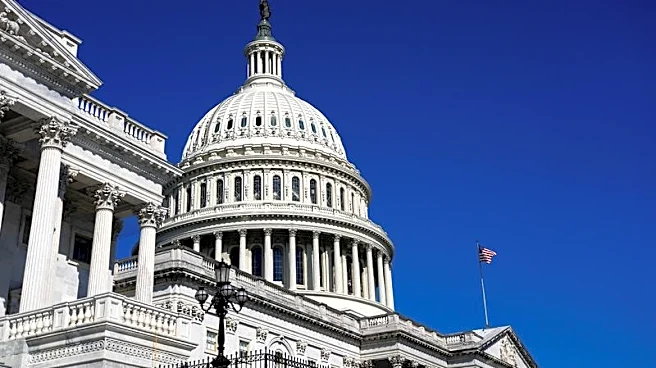
The renewable energy industry in the U.S. is navigating a new landscape following the expiration of certain investment tax credits (ITCs) under the One Big Beautiful Bill (OBBB). Signed into law by President Trump, the OBBB ended ITC eligibility for some
renewable technologies, including solar and wind, while maintaining incentives for others like batteries. This shift has prompted a scramble within the industry to capitalize on remaining credits and adapt to the changing financial environment. The focus is now on finding new ways to support clean energy projects amid rapid load growth and evolving policy frameworks.
Why It's Important?
The expiration of ITCs for solar and wind energy presents significant challenges for the renewable energy sector, potentially slowing the deployment of these technologies. The industry must now find alternative financial mechanisms to support project development and maintain momentum in the transition to clean energy. This situation highlights the critical role of policy stability and clarity in fostering investment and innovation in renewable energy. The ability to adapt to these changes will be crucial for the industry's long-term success and its contribution to environmental sustainability.
What's Next?
The renewable energy industry is likely to advocate for new policy measures that support the continued growth of solar and wind projects. Stakeholders may explore alternative financing options and partnerships to overcome the challenges posed by the expiration of ITCs. The development of new policy frameworks that align federal and state efforts will be essential to ensure a cohesive approach to clean energy deployment and to address the bottlenecks in project approvals.