



What's Happening?
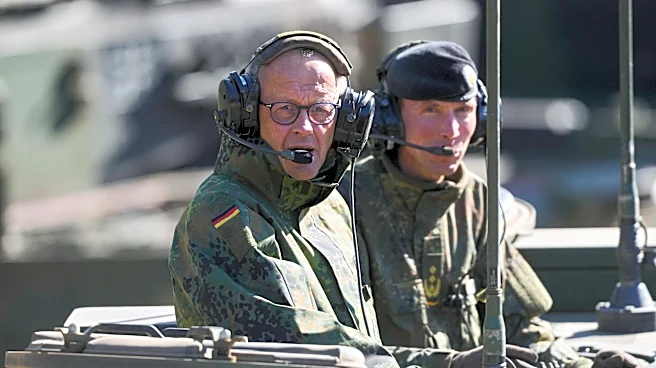
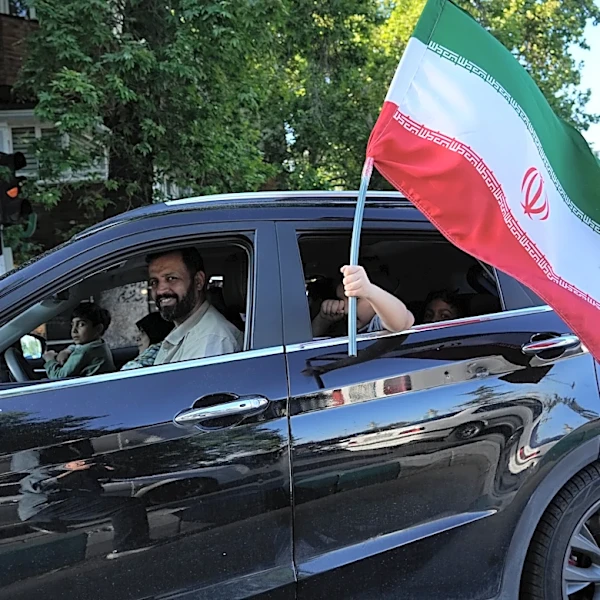
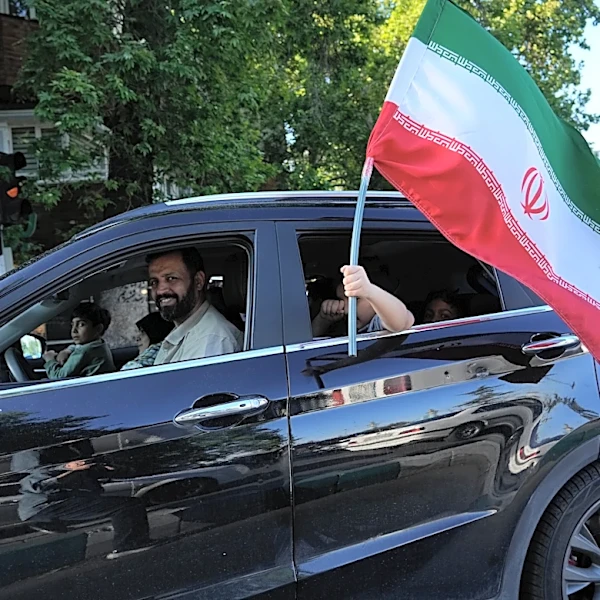
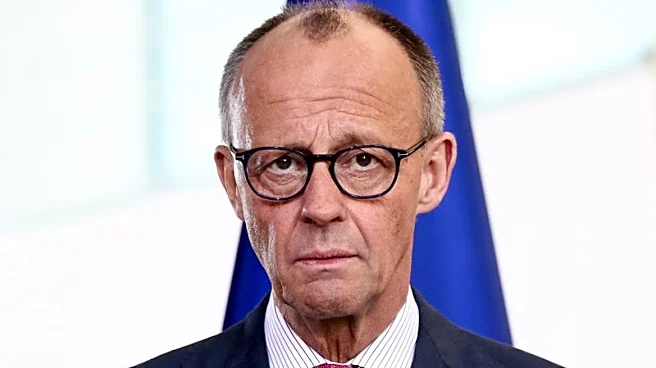
German Vice Chancellor Lars Klingbeil criticized President Trump's handling of the Iran conflict, stating that the U.S. president has made a 'mess' of the situation. Klingbeil's comments came in defense of German Chancellor Friedrich Merz, who had earlier
criticized the U.S. for being 'humiliated' by Iran. The vice chancellor emphasized that Germany does not need advice from Trump and urged him to focus on securing peace talks. Klingbeil also highlighted the economic impact of the conflict, noting the burden on workers and businesses due to rising fuel prices.
Why It's Important?
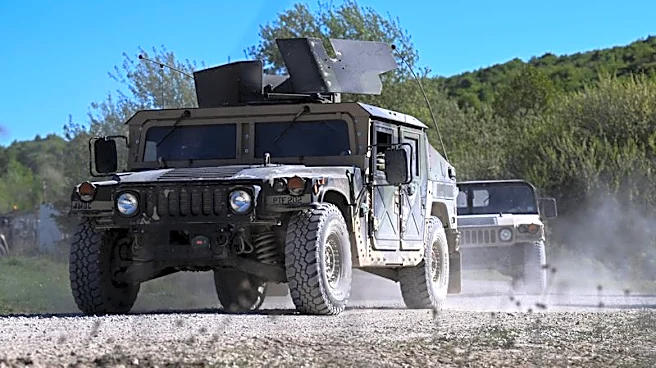
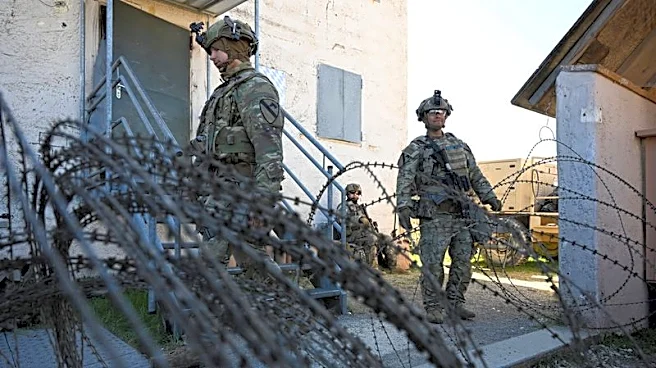
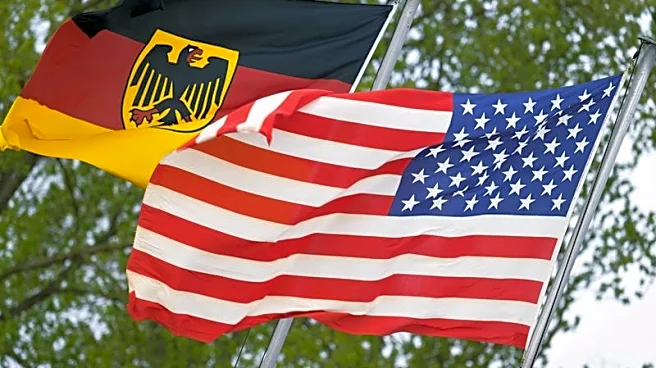
The exchange underscores ongoing tensions in transatlantic relations, particularly concerning foreign policy and military presence. President Trump's response, which included a threat to review U.S. troop presence in Germany, raises security and diplomatic stakes. The situation reflects broader geopolitical dynamics, as European leaders seek to assert their positions on international conflicts. The criticism also highlights internal political dynamics within Germany, as leaders from different political backgrounds unite in response to U.S. actions.
What's Next?
The situation may lead to further diplomatic discussions between the U.S. and Germany, as both countries navigate their roles in international conflict resolution. The potential review of U.S. troop presence in Germany could have significant implications for NATO and European security. Political leaders in both countries may seek to de-escalate tensions through dialogue and negotiation. The broader impact on U.S.-EU relations will depend on how both sides address the underlying issues in their foreign policy approaches.