




What's Happening?
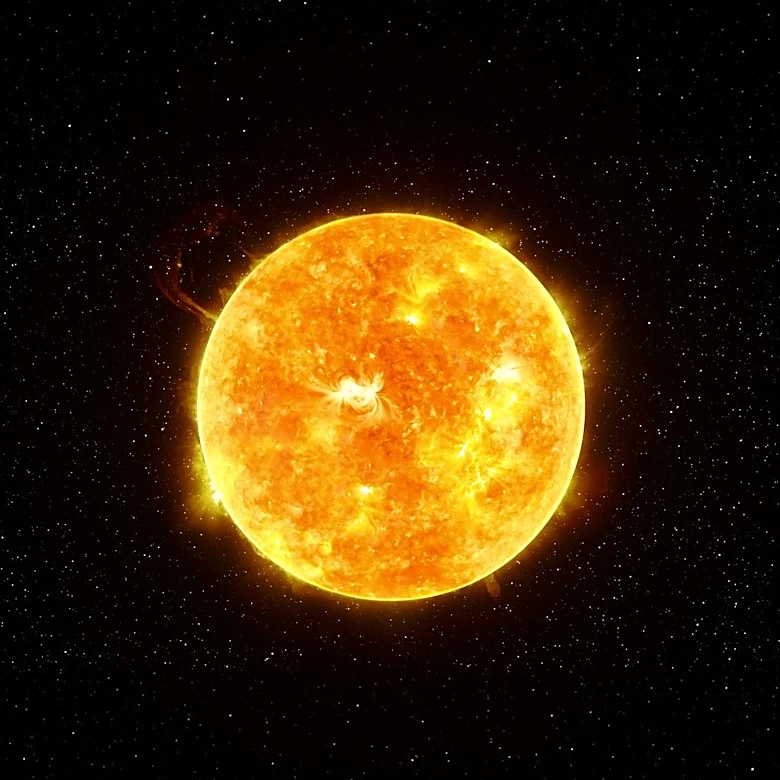
NASA's Artemis I mission has successfully tested a radiation-shielding vest designed to protect astronauts from solar radiation during space missions. The vest, known as AstroRad, was developed by the Israeli startup StemRad with support from the Israel Space
Agency and Lockheed Martin. It aims to protect astronauts from solar particle events, which are intense bursts of radiation from the sun. The vest was tested using two complex dummies, Zohar and Helga, during the Artemis I mission. Zohar wore the vest, while Helga did not. Although the mission did not encounter a significant solar outburst, the data collected allowed researchers to extrapolate the vest's effectiveness. The results showed that the vest could significantly reduce radiation exposure, potentially sparing astronauts from up to 193 days of deep-space radiation exposure.
Why It's Important?
The successful test of the AstroRad vest is a significant step forward in addressing one of the major health challenges of long-duration space missions: radiation exposure. Solar radiation poses a serious risk to astronauts, potentially leading to increased cancer risk and other health issues. By providing targeted protection to the most radiation-sensitive organs, the vest could enable safer human exploration of the moon and Mars. This development is crucial for the success of NASA's Artemis program, which aims to return humans to the moon and eventually send them to Mars. The ability to protect astronauts from radiation will be essential for the sustainability of long-term missions beyond Earth's orbit.
What's Next?
The AstroRad vest is not intended for continuous wear but as an emergency countermeasure during solar particle events. Future missions will likely incorporate the vest as part of their standard safety protocols. Researchers are also exploring the possibility of manufacturing radiation shielding in space using onboard materials, which could further enhance the practicality of such protective measures. As NASA and other space agencies continue to plan for extended missions to the moon and Mars, the development and refinement of radiation protection technologies will remain a priority.