





What's Happening?
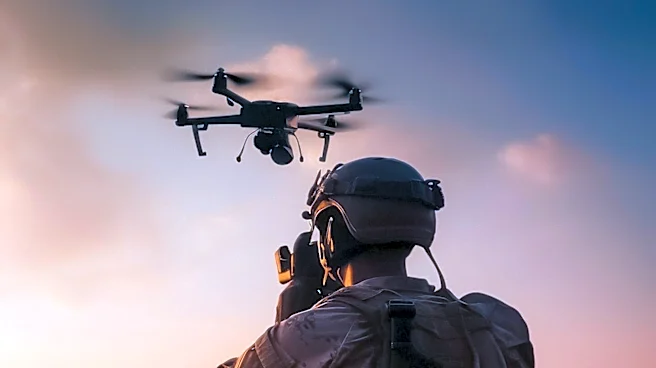
The U.S. Army recently conducted tests of drone-killing drones in Poland as part of Operation Audacious Fury, a five-day assessment at Ustka Training Area. Soldiers from a Stryker air defense vehicle launched an FD-1 interceptor drone, manufactured by
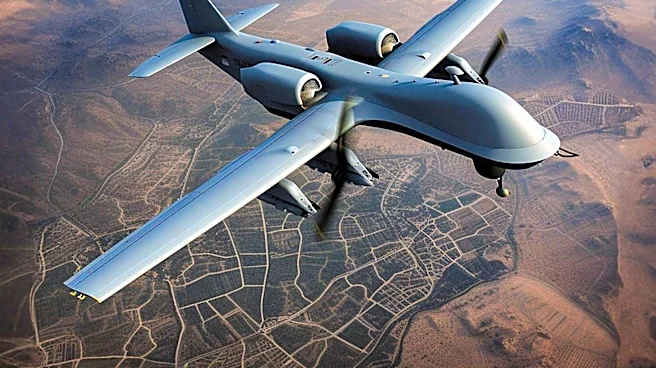
Mountain Horse Solutions, designed to fly towards and destroy enemy unmanned aircraft. This exercise, led by the Tactics, Integration and Employment Battery of the 5th Battalion, 4th Air Defense Artillery Regiment, aimed to evaluate the FD-1's potential against small and medium-sized drones, including those used in swarm attacks. The Army is seeking cost-effective solutions to counter the increasing threat posed by drones, which have been used in attacks damaging U.S. bases and causing casualties in the Middle East. While the assessment gathered operational feedback, the command did not disclose specific performance metrics such as the number of interceptors launched or successful engagements.
Why It's Important?
The U.S. Army's testing of drone interceptors in Poland highlights a critical shift in modern warfare and defense strategies. The proliferation of inexpensive yet effective drones presents a significant challenge to traditional air defense systems, which often rely on costly missiles. By developing and deploying interceptor drones like the FD-1, the Army aims to maintain a favorable 'cost-curve' in defending against aerial threats. This initiative is crucial for protecting U.S. troops and assets globally, particularly in regions where drone attacks are becoming more frequent. The development of new training and certification procedures for operating first-person-view drones also indicates a broader adaptation within the military to integrate advanced technologies and expand the skill sets of air defenders. This strategic focus on drone countermeasures is vital for national security and the protection of U.S. interests abroad.
What's Next?
The FD-1 interceptor drone remains under evaluation by the U.S. Army. The Army has not yet announced whether it plans to widely deploy the system or a timeline for such a decision. Soldiers involved in the assessment are expected to become instructors, disseminating their experience and training to other units across U.S. Army Europe and Africa. This suggests a potential future integration of these drone interception capabilities into broader military operations. The ongoing evaluation will likely focus on refining the technology, developing standardized training protocols, and assessing its scalability to address mass drone attacks effectively. Future developments will depend on the system's performance in continued testing and its ability to meet the evolving demands of modern aerial defense.
Beyond the Headlines
The adoption of drone-killing drones like the FD-1 signifies a deeper transformation in military doctrine, moving towards more autonomous and cost-efficient defense mechanisms. This shift raises ethical considerations regarding autonomous weapons systems and the potential for unintended consequences in complex combat environments. Legally, the deployment of such systems may necessitate new frameworks for rules of engagement and accountability. Culturally, it reflects a growing reliance on technology to mitigate risks to human personnel, potentially altering the nature of military service. The emphasis on maintaining a favorable 'cost-curve' also underscores the economic pressures driving military innovation, as nations seek to counter threats without incurring prohibitive expenses. This development could trigger a new arms race in drone technology and counter-drone systems, impacting global security dynamics.