





What's Happening?
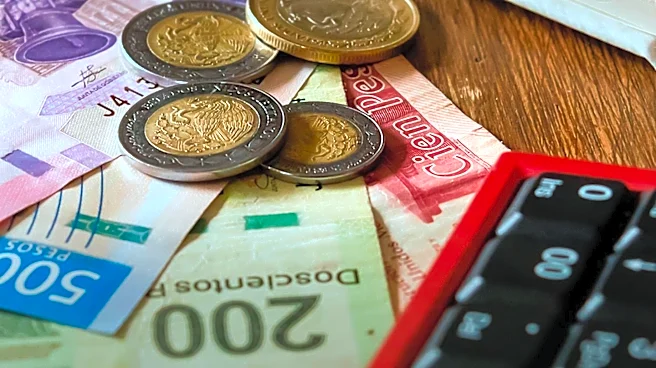
In the Israeli-occupied West Bank, the Palestinian economy is facing a unique challenge of having too much cash. The Palestinian banking system is overwhelmed with Israeli shekels, which has led to difficulties in managing daily financial transactions.
This situation arises from a conflict between the Bank of Israel and the Palestinian Monetary Authority, where Israel limits the amount of physical currency it accepts back from the West Bank. As a result, banks in the West Bank are running out of vault space to store the excess cash, and businesses are finding it hard to deposit money. The surplus of cash is attributed to the Palestinian economy's reliance on physical currency and the inflow of cash from Palestinian laborers working in Israel and Israeli settlements. The Bank of Israel's refusal to accept more cash has led to a situation where banks cannot convert physical money into electronic balances, affecting their ability to pay suppliers and process transfers.
Why It's Important?
The excess cash problem in the West Bank has significant implications for the Palestinian economy and its ability to function effectively. The inability to manage the surplus cash affects the government's and private sector's capacity to provide essential services, such as fuel and electricity, which are mostly imported from Israel. This situation also impacts the profitability of Palestinian banks, as they cannot lend out money or invest it, leading to reduced profits. The economic strain is exacerbated by Israel's measures, such as revoking work permits for Palestinians and withholding tax revenues, which have further crippled the West Bank's economy. The cash crisis highlights the broader economic challenges faced by the Palestinian territories under Israeli occupation and the complex financial dependencies between the two regions.
What's Next?
If the cash surplus issue is not resolved, it could lead to a collapse of essential services in the West Bank, as businesses struggle to import necessary goods and services. The Palestinian Authority and business leaders are likely to continue seeking solutions to offload the excess cash, possibly through negotiations with Israeli authorities or international financial institutions. The situation may also prompt further strikes and protests by affected businesses, as seen with the recent gas station closures. The ongoing economic challenges could lead to increased tensions between Israel and the Palestinian territories, potentially impacting the broader geopolitical landscape in the region.