






What's Happening?
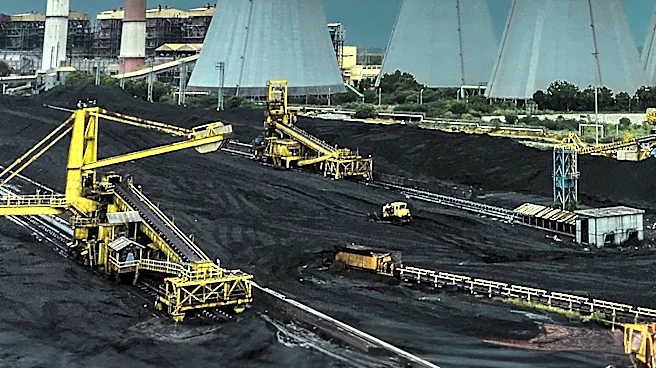
Coal mining in the United States, historically a significant source of electric power since the 1880s, is undergoing a transformation due to increasing environmental concerns and a global push towards cleaner energy. While the U.S. holds large coal reserves,
the industry faces pressure to phase out fossil fuels. Modern mining techniques include surface mining, such as strip mining and mountaintop removal, and underground methods like longwall, continuous, room and pillar, and retreat mining. These methods, while efficient, have significant environmental impacts. For instance, mountaintop removal flattens peaks and can bury mountain streams, altering wildlife habitats. The burning of coal contributes to poor air quality and global climate change, while the mining process itself can damage forests, create waste, and pollute freshwater streams with minerals. In recent years, the rise of cleaner fuels like natural gas and solar energy has led to a reduction in coal burning, with some energy firms entering bankruptcy.
Why It's Important?
The shift away from coal mining in the U.S. has profound implications for the nation's energy landscape, economy, and environment. Environmentally, reducing coal reliance is crucial for mitigating climate change, improving air quality, and protecting natural ecosystems from the destructive impacts of mining. Economically, the decline of the coal industry affects communities historically dependent on mining jobs, necessitating a transition for workers and local economies. The move towards renewable energy sources like solar and wind power represents a significant investment opportunity and a strategic pivot for the U.S. to enhance energy independence and technological leadership in green energy. This transition also highlights a broader societal debate about balancing economic development with environmental stewardship, influencing public policy on energy subsidies, environmental regulations, and workforce retraining initiatives. The long-term health impacts of coal mining, such as black lung disease, also underscore the importance of this shift for public health.
What's Next?
The U.S. is expected to continue its transition away from fossil fuels, including coal, towards cleaner energy solutions. This will likely involve further investments in renewable energy infrastructure, such as solar panel farms and wind turbines, and the development of advanced energy technologies. Governments and energy planners are guiding a 'just transition' to ensure that communities and workers affected by the decline of the coal industry receive support and opportunities in new sectors. This could include retraining programs, economic diversification initiatives for coal-dependent regions, and policies that incentivize the growth of green industries. Environmental regulations are also likely to become stricter regarding mining practices and emissions, pushing for more responsible land reclamation and pollution control. The ongoing innovation in cleaner energy technology aims to provide reliable power while minimizing environmental impact, suggesting a future where coal plays a significantly diminished role in the U.S. energy mix.
Beyond the Headlines
The decline of coal mining in the U.S. extends beyond immediate economic and environmental concerns, touching upon deep-seated cultural and ethical dimensions. For generations, coal mining has been a way of life for many communities, shaping their identity, traditions, and economic stability. The transition away from coal, while environmentally necessary, can evoke feelings of loss and displacement within these communities, raising ethical questions about societal responsibility to those whose livelihoods are disrupted. Furthermore, the legacy of coal mining, including its health impacts on miners and long-term environmental damage, prompts a re-evaluation of industrial practices and the true cost of energy production. This shift also highlights the evolving relationship between humans and the environment, emphasizing the need for sustainable practices and a more holistic approach to resource management. The move towards cleaner energy is not just a technological or economic change but a cultural and ethical reorientation towards a more sustainable future.