
What's Happening?
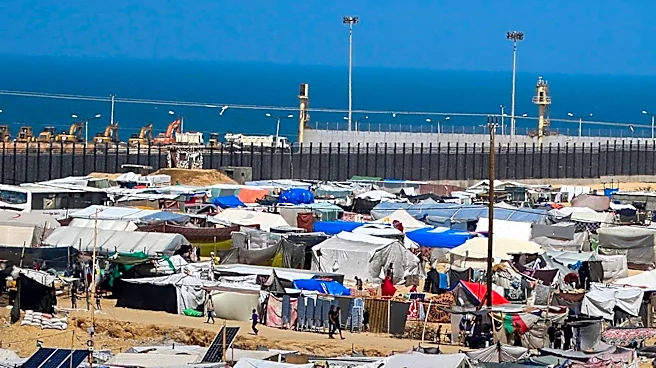
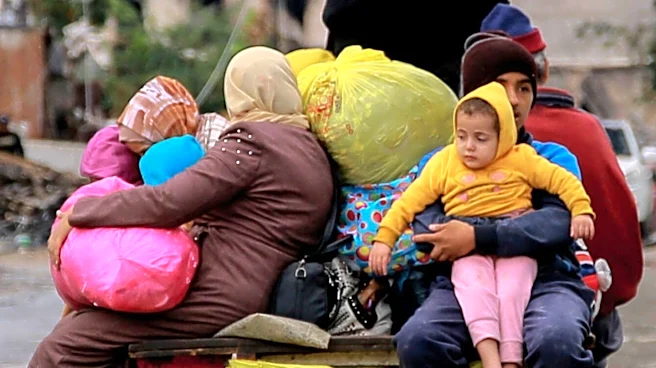
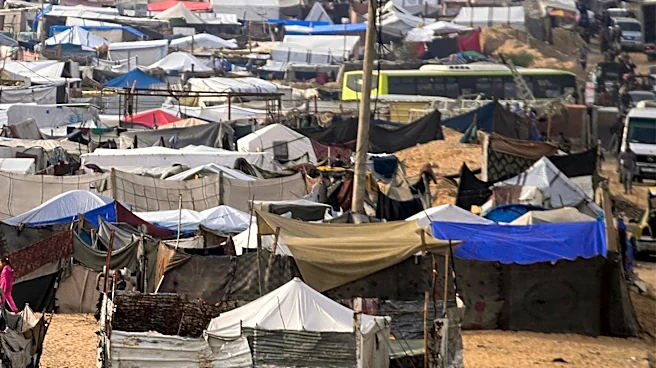
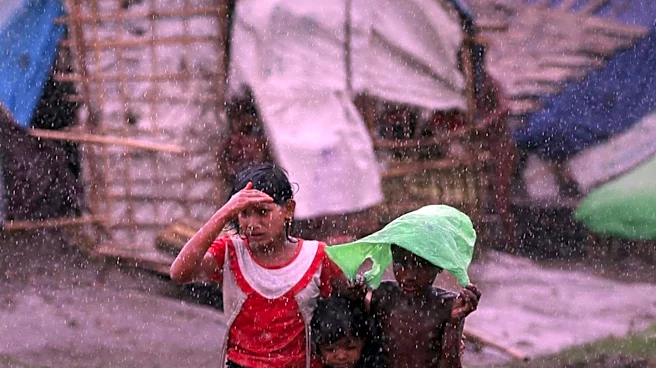
A heavy rainstorm in Gaza has resulted in a tragic incident, claiming the lives of five Palestinians, including three children. The fatalities occurred when a sand embankment collapsed on a displacement camp, highlighting the precarious living conditions
faced by many residents in the region. The incident underscores the severe vulnerability of displaced populations to environmental hazards, especially in areas with inadequate infrastructure and temporary shelters. The specific location of the displacement camp within Gaza was not detailed, but the event adds to the ongoing humanitarian crisis in the territory.
Why It's Important?
This tragic event underscores the dire humanitarian situation in Gaza, where displaced populations are highly susceptible to environmental disasters due to ongoing conflict and inadequate housing. The collapse of a sand embankment on a displacement camp, leading to multiple fatalities, including children, highlights the urgent need for safer and more resilient shelter solutions. The incident also draws attention to the broader impact of conflict on civilian infrastructure and the environment, which exacerbates the risks faced by vulnerable communities. For international aid organizations and governments, this event serves as a stark reminder of the critical need for humanitarian assistance, including emergency shelter, sanitation, and medical care, to mitigate the risks faced by displaced persons in conflict zones. The U.S., as a significant donor of humanitarian aid, will likely face renewed calls to address these pressing needs.
What's Next?
In the immediate aftermath, humanitarian organizations will likely focus on providing emergency relief to the affected displacement camp, including medical assistance, temporary shelter, and psychological support for survivors. There will likely be calls for investigations into the circumstances of the embankment collapse and for measures to prevent similar tragedies in the future, such as improving the stability of temporary structures and relocating camps to safer areas. The incident may also prompt renewed international attention to the broader humanitarian crisis in Gaza, potentially leading to increased funding for relief efforts and advocacy for more durable solutions for displaced populations. The long-term outlook involves addressing the underlying issues of conflict and displacement that force people into such vulnerable living conditions.
Beyond the Headlines
The collapse of the sand embankment is not merely an isolated incident but a symptom of systemic vulnerabilities in Gaza, exacerbated by prolonged conflict and blockade. The use of sand embankments as makeshift shelters or protective barriers in displacement camps points to a desperate lack of safe and durable housing options. This situation raises ethical questions about the responsibility of all parties involved in the conflict to protect civilians and ensure their basic human rights, including the right to safe shelter. The psychological trauma inflicted on survivors and the wider community by such sudden and preventable deaths, particularly of children, will have lasting effects. The incident also highlights the environmental degradation and infrastructural decay that often accompany protracted conflicts, making communities more susceptible to natural hazards and compounding their suffering.