




What's Happening?
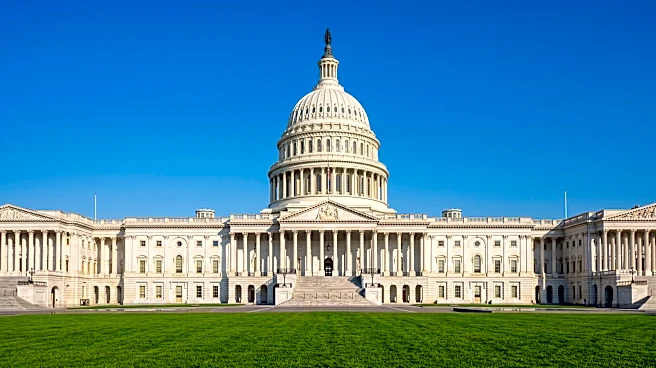
Congressman Brendan Boyle (PA-2), alongside Representatives Brian Fitzpatrick (PA-1), Tom Suozzi (NY-3), and Nicole Malliotakis (NY-11), has co-introduced the bipartisan American Mariner Tax Fairness Act. This legislation aims to strengthen the U.S. merchant
mariner workforce by providing targeted tax relief to qualifying U.S. mariners. The bill specifically targets mariners serving aboard U.S.-flag vessels in international trade. The proposed tax relief involves extending the existing foreign earned income exclusion to these mariners, provided they spend at least 90 days within a 12-month period working on such vessels. This exclusion would apply only to income earned during these qualifying periods of service. The initiative comes as the U.S.-flag deep-sea fleet has significantly declined, from approximately 1,100 oceangoing vessels in 1950 to fewer than 200 today, leading to a shrinking pool of credentialed mariners and challenges in recruitment and retention.
Why It's Important?
The American Mariner Tax Fairness Act is crucial for addressing a critical national security and economic vulnerability. The decline in the U.S. merchant mariner workforce poses a direct threat to the nation's sealift capacity, which is essential for both commercial shipping and military readiness. By offering targeted tax relief, the bill seeks to make careers as merchant mariners more attractive and sustainable, thereby improving recruitment and retention rates. This move is intended to bolster the U.S.-flag fleet, ensuring the country has a sufficient number of skilled mariners to crew commercial vessels and support national defense. The legislation also aims to align the U.S. tax code with how other major maritime nations treat their seafarers, recognizing the unique demands and international nature of maritime work. A stronger merchant marine workforce is vital for maintaining supply chains, supporting international trade, and ensuring the U.S. can project power and provide logistical support globally.
What's Next?
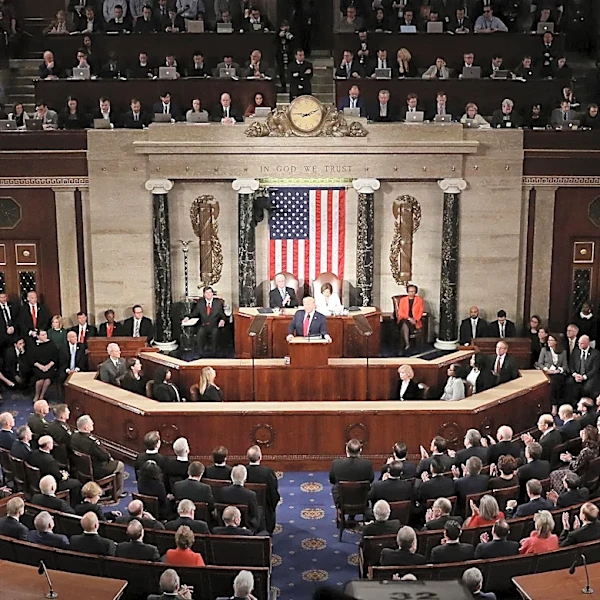
The American Mariner Tax Fairness Act will now proceed through the legislative process in Congress. Its bipartisan introduction suggests potential for broader support, but it will need to navigate committee reviews and votes in both the House and Senate. Stakeholders, including maritime industry groups like the American Maritime Congress and the Marine Engineers’ Beneficial Association (MEBA), have expressed strong support for the bill, highlighting its importance for national security and workforce development. The bill's proponents will likely advocate for its swift passage, emphasizing the urgency of addressing the mariner shortage. If enacted, the legislation would provide immediate financial incentives for mariners, potentially leading to an increase in recruitment and retention within the U.S. maritime sector. The long-term impact would be a more robust and resilient U.S. merchant marine, better equipped to meet the nation's economic and strategic needs.
Beyond the Headlines
Beyond its immediate economic and national security implications, this legislation touches upon broader issues of workforce development and the recognition of essential, yet often overlooked, professions. The decline of the U.S. merchant marine reflects a larger trend of challenges in attracting and retaining skilled labor in critical sectors. By providing tax incentives, the government acknowledges the demanding nature of maritime work, which often involves long periods away from home and unique living conditions. This act could set a precedent for how the U.S. supports other vital workforces facing similar recruitment and retention issues. Furthermore, it underscores the interconnectedness of economic policy, national security, and global trade, demonstrating how targeted tax measures can serve as strategic tools to safeguard national interests and maintain a competitive edge in the global economy. The bill also highlights the ongoing debate about tax fairness and how the tax code can be leveraged to address specific societal and economic challenges.