





What's Happening?
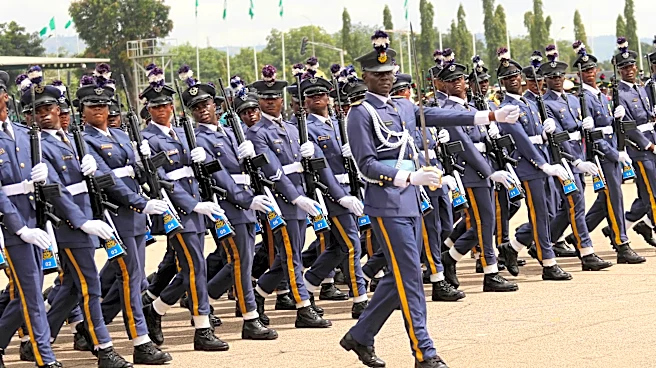
The National Defence College (NDC) in Nigeria is strengthening its partnership with the Nigeria Shooting Sports Federation (NSSF) to improve the marksmanship skills and combat readiness of military personnel. Rear Admiral Abdullahi Ahmed, Commandant of the NDC,
emphasized that shooting should be viewed as a crucial military skill, not merely a sport, especially given the ongoing counter-insurgency operations and other security challenges like banditry, armed robbery, and kidnapping across the country. The collaboration includes the virtual and product launch of the National Integrated Shooting Sport Platform (NISSP) by the NSSF in Abuja. This initiative aims to provide a structured platform for military and paramilitary personnel, as well as other shooting enthusiasts, to maintain and enhance their shooting proficiency. The Second Vice President of the NSSF, Aliyu Abubakar Sadiq, stated that the digital portal will harmonize military and paramilitary shooting agencies, fostering regular competitions and skills development. The platform will also allow for the registration of shooting clubs, range owners, coaches, and technical professionals, creating a national data repository for Nigerian shooting sports athletes.
Why It's Important?
This partnership is significant for bolstering Nigeria's national security capabilities. By focusing on marksmanship and combat readiness, the NDC and NSSF are directly addressing the persistent threat of insurgency and other forms of violent crime that destabilize the nation. Enhanced shooting skills among military personnel can lead to more effective counter-insurgency operations, potentially reducing casualties and improving overall operational success. The establishment of a national digital platform for shooting sports signifies a modernization effort in military training and skill development, ensuring standardized practices and continuous improvement. This initiative also promotes a culture of continuous practice and readiness within the armed forces, which is vital for responding effectively to evolving security threats. Furthermore, by bringing together various security agencies and enthusiasts, the program fosters a cohesive approach to skill development, which can have long-term benefits for national defense and internal security.
What's Next?
The NDC and NSSF plan to continue organizing more competitions and training programs to sustain the skills acquired by military personnel. Participants are encouraged to maintain their practice after completing their courses to ensure continuous proficiency. The digital platform is expected to broaden access to shooting sports and create a more coordinated community for practitioners across Nigeria. Future developments will include the ongoing registration and onboarding of military and paramilitary personnel, as well as members of the public interested in shooting sports. The platform will also facilitate the registration of shooting clubs, range owners, coaches, and technical professionals. Security and proper verification will remain paramount, with prospective members undergoing checks, including criminality and credential verification, to ensure that only authorized individuals participate. This digital transformation is anticipated to be a game-changer in the administration and development of shooting sports within Nigeria's security apparatus.
Beyond the Headlines
Beyond the immediate goal of improving combat readiness, this initiative has broader implications for civil-military relations and national development. By integrating shooting sports into a national framework, it could help demystify military training and foster a sense of shared responsibility for national security among citizens. The emphasis on precision and awareness, as highlighted by Rear Admiral Ahmed, extends beyond combat scenarios to promote discipline and focus, qualities that are valuable in various aspects of national life. The digital platform's focus on data collection and standardized training could also lead to more transparent and accountable practices within security agencies. Moreover, the partnership could serve as a model for other sectors in Nigeria, demonstrating how collaboration between governmental institutions and specialized federations can lead to significant advancements in skill development and national capacity building. The careful vetting process for participants also underscores the importance of national security in all public-facing initiatives involving military skills.