

What's Happening?
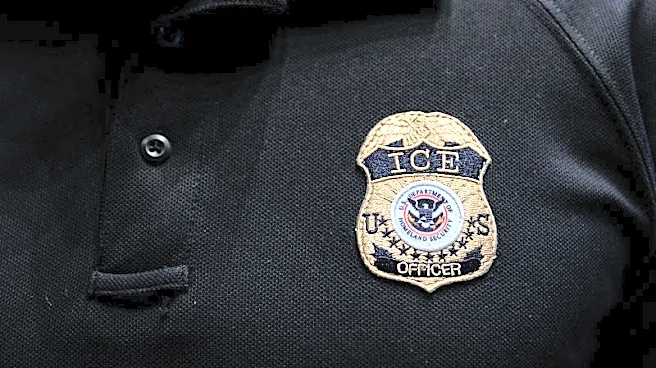
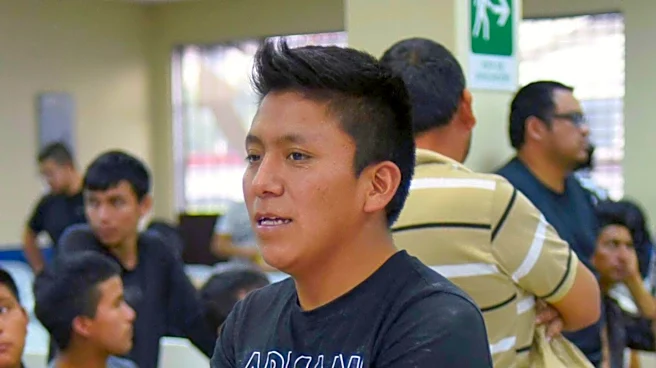
Congresswoman Sydney Kamlager-Dove, a Democrat from California, has expressed serious concerns regarding the inhumane conditions at an ICE detention center, specifically highlighting the case of Mexican journalist Carlitos Ricardo Parias. Parias, known
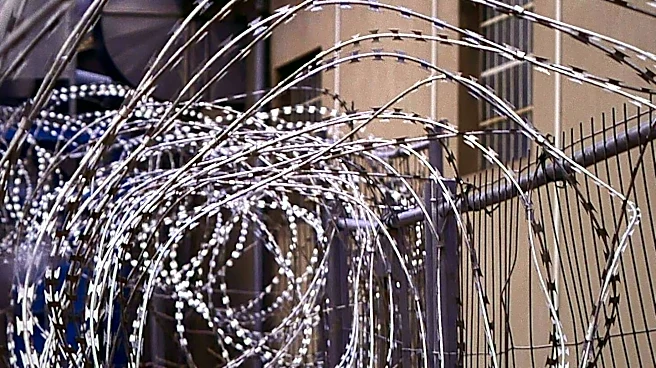
for documenting ICE operations on TikTok, has been detained for 300 days following an arrest in October 2025 where he was shot in the elbow by ICE agents. During a visit to the Adelanto ICE Processing Center in California, Congresswoman Kamlager-Dove observed that Parias's arm showed such severe deterioration that it appeared 'close to amputation.' Parias has also reported contaminated drinking water containing fly larvae, a cockro infestation in cells, and inadequate medical attention for his gunshot wound, receiving only vitamin supplements and topical analgesics. Human rights organizations filed a class-action lawsuit in January against federal agencies and officials, citing similar inhumane conditions at Adelanto, including moldy towels, medical negligence, insufficient food, and contaminated water. A federal judge recently ordered immediate changes to the conditions at the Adelanto facility as a result of these demands.
Why It's Important?
The situation at the Adelanto ICE Processing Center, as highlighted by Congresswoman Kamlager-Dove, underscores critical issues within the U.S. immigration detention system. The alleged medical negligence and unsanitary conditions, including contaminated water and pest infestations, raise significant human rights concerns and could constitute cruel and inhumane treatment, potentially violating international human rights standards. The case of Carlitos Ricardo Parias, a journalist detained for an extended period with a severe, untreated injury, brings into question the due process and medical care provided to detainees. This incident could intensify scrutiny on ICE's operational practices and accountability, potentially leading to increased calls for reform from civil society organizations and lawmakers. The proposed relocation of Parias to a San Diego facility, while ostensibly for specialized treatment, is viewed by some as a tactic to hinder legal and family visits and silence complaints about conditions at Adelanto, further complicating efforts for transparency and oversight. This situation could also impact public perception of immigration enforcement and detention policies in the U.S.
What's Next?
Congresswoman Kamlager-Dove is actively working to advance legislation aimed at scrutinizing health-related omissions within immigration detention centers. This legislative effort could lead to new oversight mechanisms and stricter regulations for medical care and living conditions in these facilities. Federal authorities are considering relocating Carlitos Ricardo Parias to a detention center in San Diego, ostensibly to provide specialized medical treatment. However, this move is controversial, as it could impede access for his lawyers and family, potentially hindering his legal defense and the ongoing documentation of his conditions. Following a federal judge's order, the U.S. government is mandated to implement immediate changes to the conditions at the Adelanto ICE Processing Center. This will likely involve inspections and corrective actions to address the issues of contaminated water, pest infestations, and medical care. Human rights organizations and legal teams will continue to monitor the situation at Adelanto and Parias's case, potentially pursuing further legal action if improvements are not adequately implemented or if Parias's rights continue to be violated.
Beyond the Headlines
The prolonged detention and alleged mistreatment of Carlitos Ricardo Parias, a journalist, raise profound questions about freedom of the press and the treatment of individuals documenting government operations, even if they are undocumented. His case, now the longest detention of a journalist in the U.S., could set a precedent for how the U.S. handles journalists who are also immigrants. The allegations of ICE agents seizing and deleting surveillance videos during Parias's arrest, coupled with charges of 'assault on a federal agent' despite a judge later dismissing the case due to denial of legal counsel, highlight potential issues of accountability and transparency within federal law enforcement. This incident could fuel broader debates about the militarization of immigration enforcement and the protections afforded to individuals, regardless of their immigration status, under U.S. and international law. The ethical implications of providing contaminated water and inadequate medical care in detention facilities also challenge fundamental principles of human dignity and due process, potentially leading to a reevaluation of the entire immigration detention system.