



What's Happening?
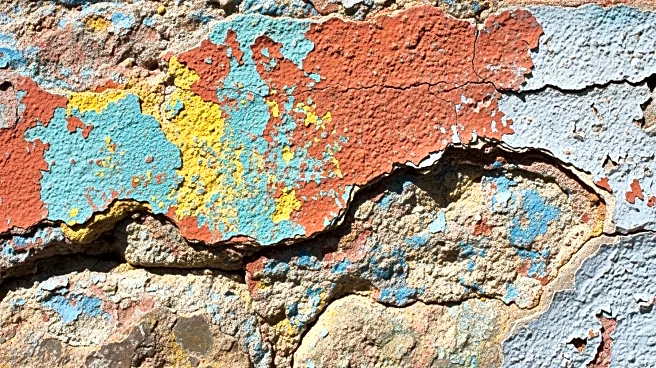
A piece of artwork in Bristol, unveiled in September, has quickly fallen into disrepair, prompting criticism from the public. The artwork, a £365,000 floor painting, has already required retouching work, leading to it being labeled a 'hopeless case' by
local readers. This situation has sparked discussions about the maintenance and sustainability of public art installations. Additionally, the city is facing other challenges, such as an Indian restaurant struggling with debt due to high fees from delivery platforms, and changes in waste collection schedules in Wiltshire. These stories highlight ongoing issues in the region, including financial strains on local businesses and public services.
Why It's Important?
The rapid deterioration of the Bristol artwork raises questions about the investment and maintenance of public art projects. Such incidents can affect public trust in local government spending and decision-making. The financial struggles of local businesses, like the Indian restaurant, underscore the impact of digital platforms on traditional business models, highlighting the need for sustainable economic strategies. Changes in public services, such as waste collection, reflect broader challenges faced by local councils in managing resources effectively. These developments have implications for community satisfaction and the economic health of the region.
What's Next?
Local authorities may need to reassess their strategies for commissioning and maintaining public art to prevent similar issues in the future. There could be increased scrutiny on how public funds are allocated for cultural projects. Businesses affected by digital platform fees might seek alternative business models or advocate for regulatory changes to ensure fair competition. The changes in waste collection schedules may lead to public feedback and potential adjustments by the council to address community concerns. These issues could prompt broader discussions on public policy and economic resilience in the region.
Beyond the Headlines
The situation in Bristol reflects a broader cultural and economic shift, where traditional practices are increasingly challenged by digital and economic pressures. The public's reaction to the artwork's deterioration may influence future cultural investments and highlight the importance of sustainable practices in public projects. The financial struggles of local businesses could lead to a reevaluation of the role of digital platforms in local economies, potentially influencing future regulatory frameworks. These developments may also encourage communities to engage more actively in local governance and cultural preservation efforts.