









What's Happening?
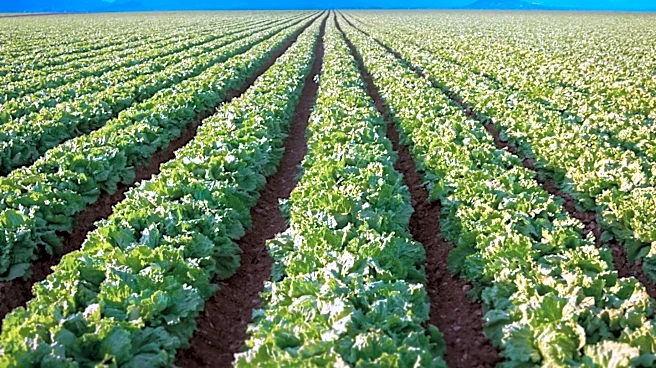
Taylor Farms, a major produce supplier, has announced a voluntary recall of all iceberg lettuce sourced from central Mexico due to a Cyclospora outbreak. The company stated that the recall is indefinite, although the FDA investigation revealed that the contaminated
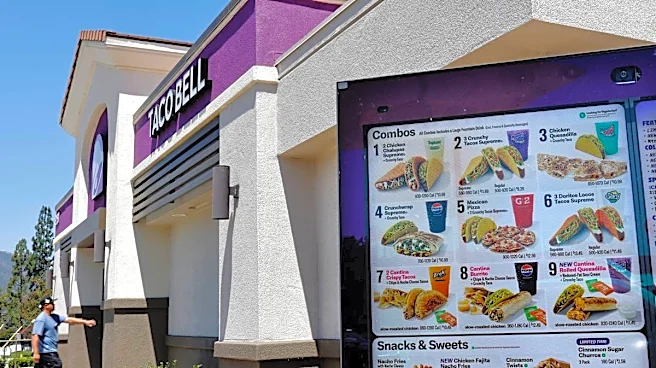
lettuce originated from a single farm, which supplied less than 1% of the U.S. iceberg lettuce. The outbreak has affected at least 1,644 people across 34 states since May 1. Some of the tainted lettuce was distributed to Taco Bell restaurants in Indiana, Kentucky, Michigan, Ohio, and West Virginia, prompting the fast-food chain to remove and replace shredded lettuce at the affected locations. Taylor Farms has a history of recalls, including yellow onions in 2024 due to potential E. coli contamination and salad kits last year for allergen labeling issues.
Why It's Important?
The recall by Taylor Farms highlights significant concerns about food safety and the impact of agricultural practices on public health. The Cyclospora outbreak has already affected a large number of people, raising questions about the safety protocols in place for imported produce. This incident could lead to increased scrutiny and regulatory measures for produce suppliers, potentially affecting the supply chain and pricing of fresh produce in the U.S. Consumers' trust in the safety of fresh produce may be shaken, impacting sales and prompting a shift towards more locally sourced or greenhouse-grown alternatives. The recall also underscores the importance of traceability in the food supply chain to quickly identify and address sources of contamination.
What's Next?
In response to the outbreak, the FDA and other health agencies are likely to intensify their investigations to prevent further cases and ensure the safety of the food supply. Taylor Farms and other produce suppliers may need to implement stricter safety measures and improve transparency in their sourcing and distribution processes. The incident could lead to policy changes or new regulations aimed at enhancing food safety standards, particularly for imported produce. Consumers may also become more vigilant about the origins of their food, potentially influencing market trends and demand for certain products.