

What's Happening?
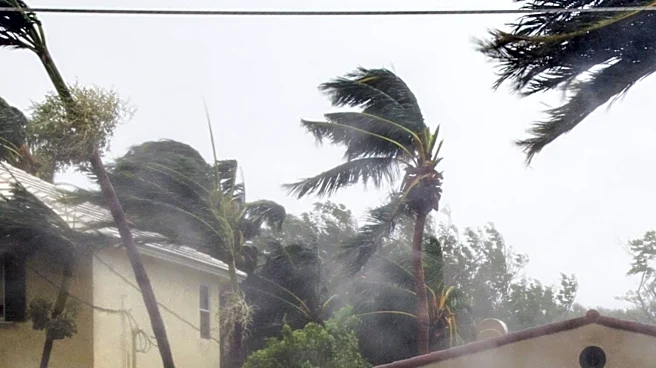
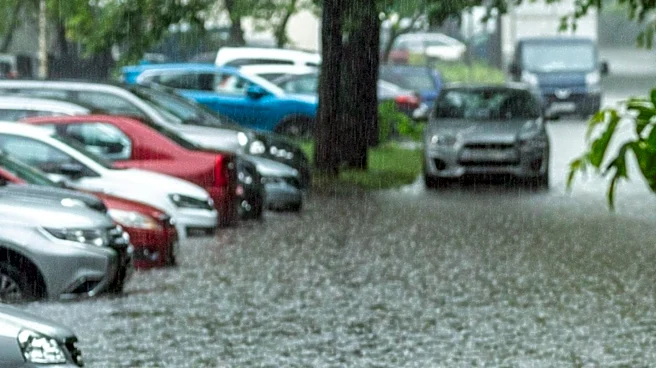
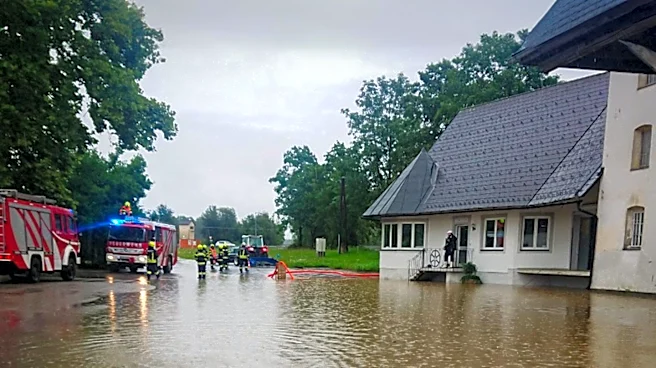
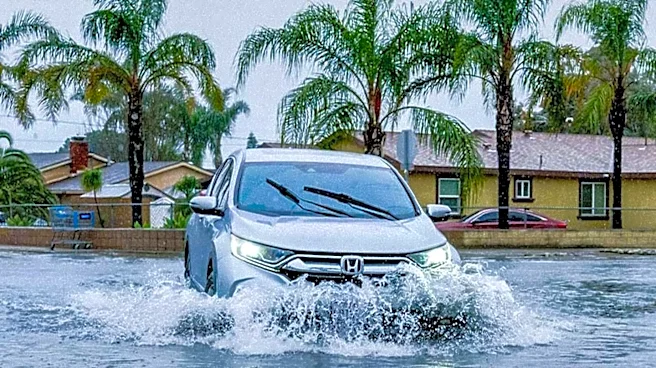
Florida is bracing for heavy rain, flooding, and gusty winds this week as El Niño conditions return, coinciding with a low-pressure system moving across the Gulf. A flood watch has been issued for Florida's east coast through Friday, where forecasters
anticipate 3 to 6 inches of rain, with isolated areas potentially receiving 8 to 12 inches. This atmospheric clash, driven by high pressure over the Mid-Atlantic and the Gulf low-pressure system, is directing significant wind and rain into the state. While the east coast is expected to bear the brunt of the downpours, Florida's west coast will also experience wet weather, though with lower rainfall totals. Hazardous conditions on the water have prompted a small craft advisory through Friday morning.
Why It's Important?
The combination of El Niño and a low-pressure system brings a significant threat of widespread flooding to Florida, particularly along its densely populated east coast. Such heavy rainfall can lead to dangerous driving conditions, property damage, and disruptions to daily life and commerce. For coastal communities, the risk of flash flooding is heightened, potentially overwhelming drainage systems and causing significant infrastructure strain. The small craft advisory indicates hazardous conditions for marine activities, impacting fishing, shipping, and recreational boating. The economic impact could be substantial, affecting local businesses, tourism, and requiring significant resources for emergency response and recovery efforts across the state.
What's Next?
The flood watch for Florida's east coast remains in effect through Friday, with residents advised to prepare for heavy rainfall and potential flooding. Authorities will continue to monitor weather conditions closely and issue further advisories as needed. Boaters are urged to exercise extreme caution or avoid waterways due to the small craft advisory. Local emergency management agencies will likely be on high alert, ready to respond to flood-related incidents and provide assistance to affected communities. Residents should stay informed through local weather updates and follow any evacuation or safety instructions issued by officials.
Beyond the Headlines
The recurring pattern of intense rainfall and flooding in Florida underscores the state's vulnerability to extreme weather events, which may be exacerbated by climate change. The influence of El Niño typically brings wetter conditions to the southern U.S., and when combined with other weather systems, it can lead to severe impacts. This situation highlights the ongoing need for robust flood mitigation strategies, resilient infrastructure, and effective urban planning in Florida's rapidly growing coastal areas. The economic and social costs of such events can be long-lasting, prompting discussions about insurance coverage, disaster preparedness funding, and the long-term sustainability of development in high-risk zones.