

What's Happening?
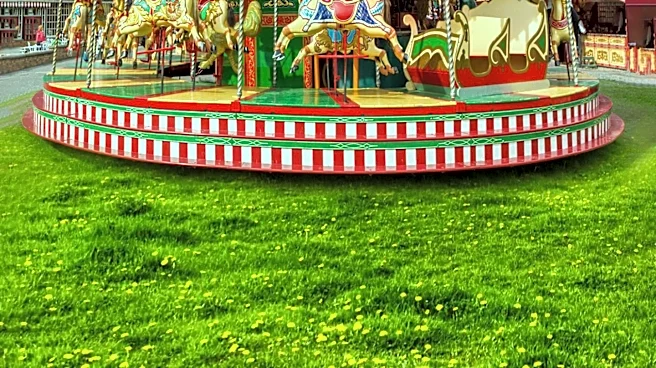
Rhode Island's classic carousels, once numbering over a dozen, are facing an uncertain future due to the escalating impacts of climate change and the high costs associated with their maintenance. Currently, only six carousels remain operational in the state.
The carousel at Easton’s Beach in Newport was shuttered in 2019 after saltwater damage compromised its structure, with its pieces now in storage. Similarly, the carousel at Atlantic Beach Park in Westerly's Misquamicut district was dismantled and stored after severe coastal storms in late 2023 and early 2024 destroyed the main building. According to Thomas Shevlin, Newport's director of communications, Easton's Beach has experienced a steady increase in flooding events over the past decade. Amy Trefes, owner of Atlantic Beach Park, noted that antique wooden carousels are labor-intensive and that the recent storms made them reconsider their future operations given the inevitability of future severe weather. Patrick Wentzel, president of the National Carousel Association, states that out of 3,500 to 5,000 carousels built in the U.S. from the 1860s to the 1960s, only about 400 remain today.
Why It's Important?
The decline of Rhode Island's historic carousels signifies a broader cultural and economic loss, reflecting the vulnerability of historical attractions to environmental changes and financial pressures. These carousels are not merely amusement rides but are considered significant pieces of American folk art and community heritage, with some, like the Crescent Park Carousel, holding National Historic Landmark status. Their disappearance impacts local tourism, which often relies on such unique attractions to draw visitors and support local economies. The high operating costs, coupled with the increasing frequency and intensity of coastal storms attributed to climate change, create an unsustainable environment for these vintage machines. The loss of these carousels also erodes a tangible link to past generations, diminishing opportunities for shared cultural experiences and the preservation of artisanal craftsmanship. The situation highlights the ongoing challenge of balancing historical preservation with modern environmental and economic realities.
What's Next?
The future of Rhode Island's dismantled carousels, such as those from Easton's Beach and Atlantic Beach Park, remains uncertain as officials and owners seek new, safer locations away from coastal threats. The Atlantic Beach Park owners hope to eventually get their carousel running again in a new home, while plans are underway to renovate the park's other facilities. For the remaining operational carousels, community support and preservation efforts will be crucial. The National Carousel Association offers grants to assist owners, but according to Patrick Wentzel, the ultimate responsibility for saving these carousels falls to local communities rallying around them. This suggests that local fundraising, volunteer efforts, and public awareness campaigns will be vital for their continued existence. Without sustained community engagement and innovative solutions to mitigate climate impacts and high costs, more of these historic attractions may face permanent closure or sale.
Beyond the Headlines
The struggle to preserve Rhode Island's carousels extends beyond immediate financial and environmental concerns, touching upon deeper themes of cultural heritage, community identity, and the long-term effects of climate change on historical infrastructure. These carousels represent a bygone era of craftsmanship and leisure, offering a unique window into American social history. Their potential loss raises questions about how society values and protects its cultural artifacts in the face of modern challenges. The situation also underscores the broader ethical dilemma of balancing economic development and environmental protection with the preservation of historical sites. As sea levels rise and extreme weather events become more common, many coastal communities across the U.S. will likely face similar decisions regarding their historical assets, prompting a reevaluation of urban planning, preservation strategies, and climate adaptation measures for cultural heritage sites.