




What's Happening?
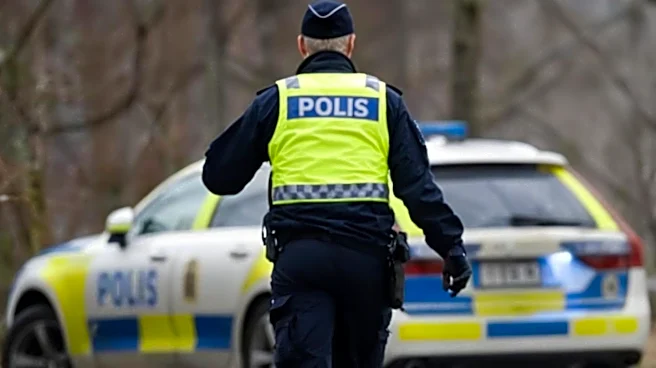
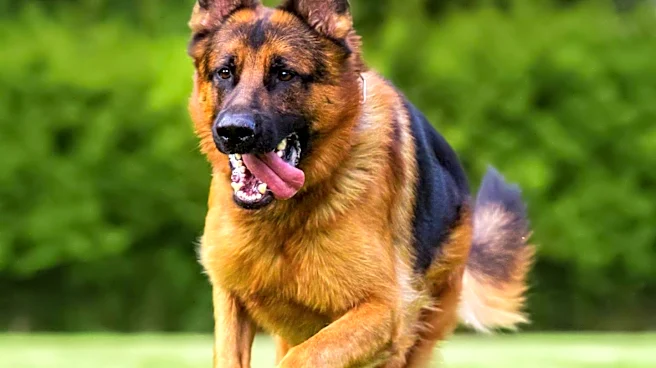
In Pitt County, North Carolina, Sheriff Paula Dance has publicly addressed the tragic death of K-9 Chilli, who died after being left in a hot patrol car on June 11th. The incident occurred when the dog's handler, whose identity remains unconfirmed, left Chilli in the vehicle
for four hours while temperatures outside reached 99 degrees. Sheriff Dance confirmed that the patrol car was not running and lacked safety features to protect the K-9. Despite the circumstances, the deputy involved will not face charges, as the sheriff emphasized the absence of intent or malice. Dance highlighted the lack of specific animal neglect laws and urged legislators to consider enacting such measures. The case has prompted an independent investigation by the State Bureau of Investigation, following a request from a special prosecutor.
Why It's Important?
The incident underscores significant gaps in legal protections for animals, particularly service animals like K-9 officers. The lack of specific animal neglect laws means that even in cases of negligence, legal accountability is limited. This situation has sparked discussions about the need for legislative reforms to prevent similar tragedies. The case also raises questions about the prioritization of resources and safety measures for K-9 units, as Chilli's vehicle was not equipped with necessary safety features. The sheriff's call for legislative action could lead to changes in how law enforcement agencies manage and protect their K-9 officers, potentially influencing policies nationwide.
What's Next?
The independent investigation by the State Bureau of Investigation will likely provide further insights into the circumstances surrounding Chilli's death. Depending on the findings, there could be increased pressure on lawmakers to introduce animal protection legislation. Law enforcement agencies may also review and update their protocols and equipment for K-9 units to prevent future incidents. Public and media scrutiny may continue to focus on the sheriff's office and its handling of the situation, potentially influencing public opinion and policy decisions.