




What's Happening?
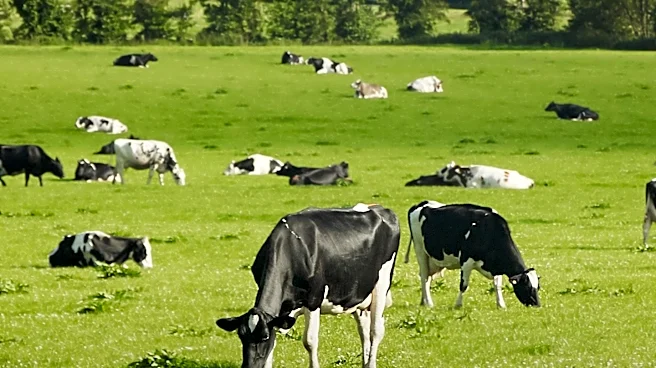
Senators Mike Rounds of South Dakota and Amy Klobuchar of Minnesota have introduced the bipartisan Rebuilding America’s National Cow Herd, or Ranch Act. This legislation aims to establish a voluntary grassland restoration program, potentially making up
to 20 million additional acres available for grazing. Senator Rounds described this proposal as an alternative approach to the administration's current strategies for addressing the nation's cattle supply. The initiative comes amidst broader efforts in Washington to tackle issues such as cattle supply, producer risk, and the long-term stability of the U.S. beef industry. The Ranch Act is being considered alongside other measures, including the USDA's Rancher’s First initiative, which offers a new insurance option to help ranchers protect the economic value of retaining heifers for breeding stock for up to two years. This new insurance aims to mitigate the financial risks associated with the long-term investment of keeping heifers, a decision that can be difficult for cow-calf operators in an uncertain market.
Why It's Important?
The introduction of the Ranch Act is significant for the U.S. agricultural sector, particularly for cattle producers facing economic uncertainties and challenges in rebuilding the national herd. The voluntary grassland restoration program could provide substantial new grazing land, directly impacting the capacity for herd expansion and potentially lowering feed costs. This legislative effort, coupled with the USDA's Rancher’s First initiative, signals a concerted push to stabilize and strengthen the domestic beef industry. By addressing producer risk through measures like new insurance options for heifer retention, the government aims to encourage long-term investment in breeding stock, which is crucial for increasing the overall cattle supply. Concerns about increased beef imports and their potential impact on producer confidence highlight the need for domestic support mechanisms to ensure the industry's resilience and reduce reliance on foreign markets. The stability of the U.S. beef industry has broad economic implications, affecting rural economies, food security, and consumer prices.
What's Next?
The Ranch Act will now proceed through the legislative process, where it will likely undergo committee review and potential amendments. Its future will depend on bipartisan support and alignment with other agricultural policies. Concurrently, the USDA's Rancher’s First initiative is expected to roll out its new insurance options and expanded disaster assistance, which will directly impact cattle producers in the near term. Stakeholders, including cattle producers and agricultural organizations, will closely monitor the implementation of these programs and the progress of the Ranch Act. The debate surrounding beef imports and their effect on domestic producers is also likely to continue, influencing policy discussions. The success of these initiatives will be measured by their ability to effectively rebuild the U.S. cattle herd, enhance producer stability, and ensure the long-term viability of the beef industry.
Beyond the Headlines
Beyond the immediate economic benefits for cattle producers, the Ranch Act and similar initiatives reflect a broader strategic focus on national food security and agricultural self-sufficiency. The emphasis on grassland restoration also carries environmental implications, potentially contributing to sustainable land management practices and biodiversity. The bipartisan nature of the Ranch Act suggests a recognition across political lines of the critical role the cattle industry plays in the U.S. economy and rural communities. However, the tension between supporting domestic producers and managing international trade, particularly regarding beef imports, highlights complex policy challenges. The long-term success of these efforts will require a delicate balance between economic incentives, environmental stewardship, and trade policies to foster a resilient and sustainable agricultural sector capable of meeting future demands.