



What's Happening?
A significant heat wave is set to impact the majority of the United States, with temperatures expected to rise 15 to 25 degrees Fahrenheit above normal. This heat wave, described as unusually large and long-lasting, will affect millions of people and is expected to persist
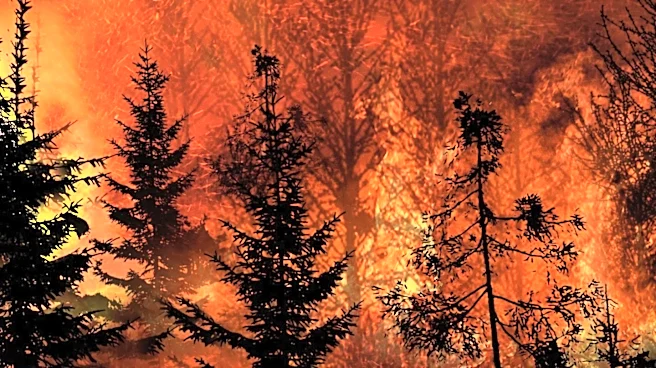
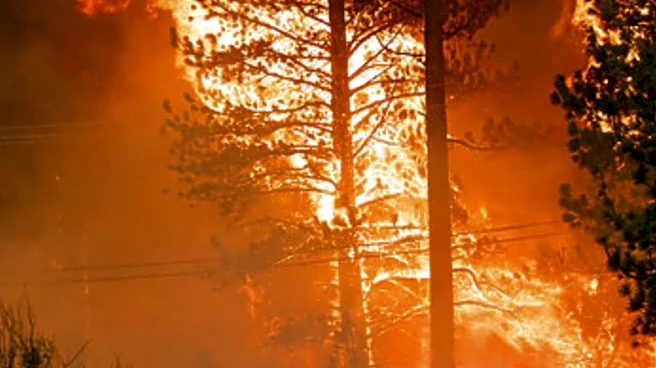
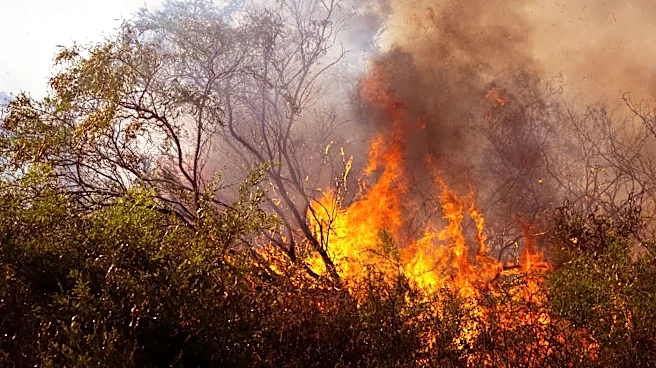
for at least a week, potentially extending to the end of the month. The heat dome, a high-pressure system trapping hot air, will initially cover the Northern Plains but is expected to expand, affecting up to two-thirds of the continental U.S. Meteorologists warn that the heat wave will bring record-breaking temperatures, particularly at night, which poses additional health risks and complicates efforts to manage the ongoing wildfire season.
Why It's Important?
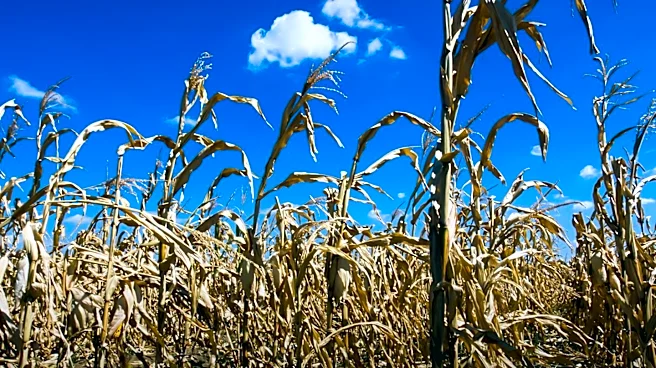
The upcoming heat wave is a significant concern due to its potential impact on public health, infrastructure, and the environment. Prolonged exposure to high temperatures can lead to heat-related illnesses and fatalities, especially in vulnerable populations. The heat wave also exacerbates the risk of wildfires, which are already a concern due to existing drought conditions. Additionally, the increased demand for electricity to power air conditioning units could strain the power grid, leading to potential outages. The event highlights the broader trend of more frequent and intense heat waves attributed to climate change, underscoring the need for adaptive measures and policies to mitigate these impacts.
What's Next?
As the heat wave progresses, local governments and emergency services are likely to issue heat advisories and implement measures to protect public health, such as opening cooling centers and distributing water. The National Weather Service will continue to monitor the situation and provide updates. Residents in affected areas are advised to stay hydrated, avoid outdoor activities during peak heat, and check on vulnerable individuals. The heat wave's duration and intensity may prompt further discussions on climate resilience and the need for infrastructure improvements to withstand extreme weather events.