

What's Happening?
The United States has issued a 30-day license allowing countries to purchase Russian oil and petroleum products currently stranded at sea. This decision, announced by U.S. Treasury Secretary Scott Bessent, aims to stabilize global energy markets disrupted
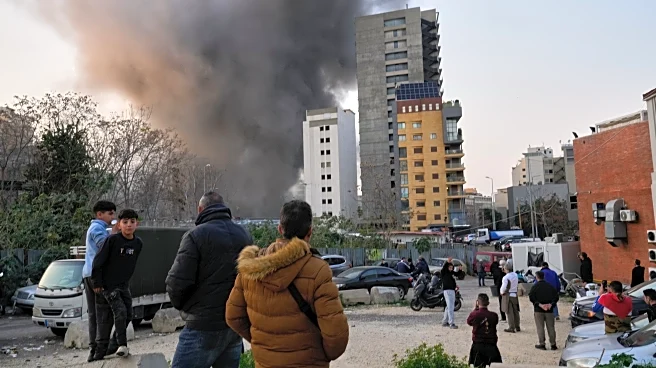
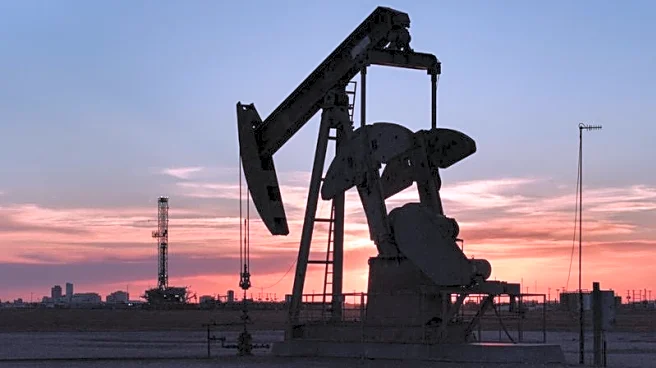
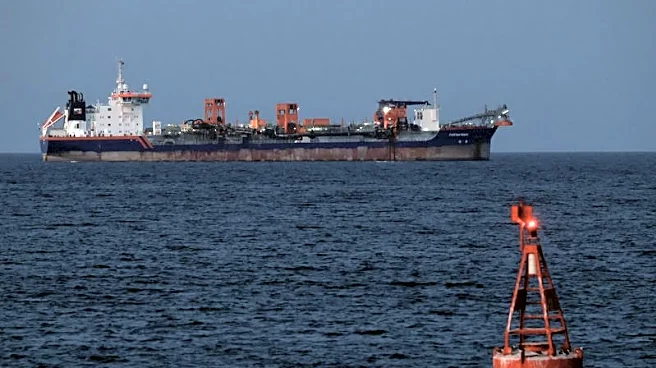
by the ongoing conflict in Iran. The license, effective from March 12 to April 11, is part of broader efforts to manage soaring oil prices, which have surpassed $100 a barrel. The U.S. Energy Department also plans to release 172 million barrels from the strategic petroleum reserve. This move is aligned with the International Energy Agency's commitment to release 400 million barrels globally. The U.S. administration, led by President Trump, is also considering waiving the Jones Act to allow foreign ships to transport fuel between U.S. ports, potentially reducing costs and expediting deliveries.
Why It's Important?
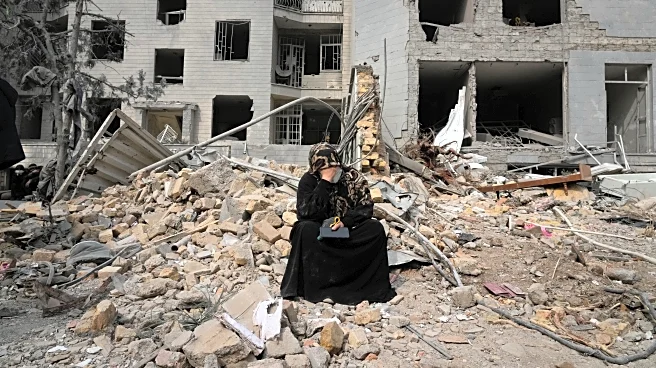
The authorization to purchase Russian oil is a strategic measure to mitigate the impact of the Middle East conflict on global energy supplies. By allowing the sale of stranded Russian oil, the U.S. aims to alleviate pressure on oil prices, which have been driven up by disruptions in the Strait of Hormuz. This decision could provide temporary relief to energy markets and consumers facing high fuel costs. However, it also raises concerns about the financial implications for Russia and the geopolitical dynamics in the region. The U.S. move to potentially waive the Jones Act further underscores the urgency to stabilize domestic energy supplies and prices.
What's Next?
The temporary license is expected to prompt immediate negotiations and purchases by countries like India, which have been granted waivers. The U.S. administration will likely continue to monitor the situation closely, with potential further actions to stabilize energy markets. The ongoing conflict in the Middle East and Iran's threats to block oil shipments from the Gulf remain critical factors influencing future developments. The U.S. may also explore additional measures to support maritime trade and ensure the security of energy supplies.